Wayne Lumbasi

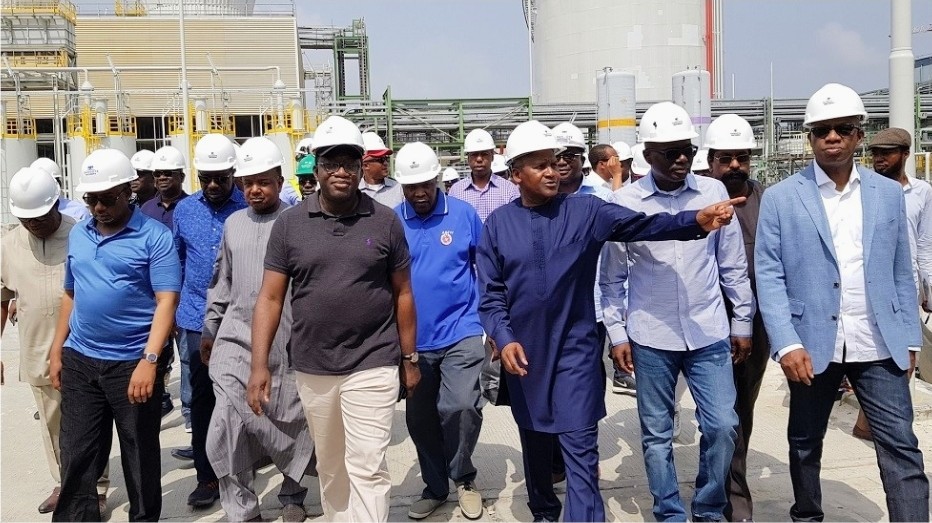
Nigeria’s richest man, Aliko Dangote, has escalated a bitter dispute with the Nigerian Midstream and Downstream Petroleum Regulatory Authority (NMDPRA), accusing the agency of enabling “unethical” fuel imports that threaten local refining and the country’s energy security.
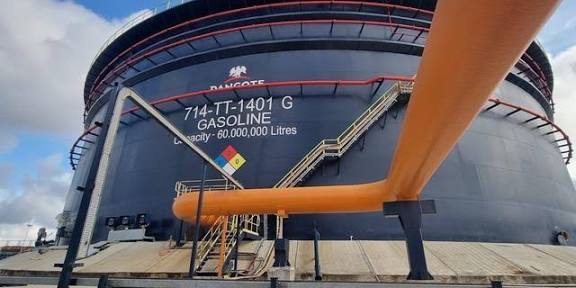
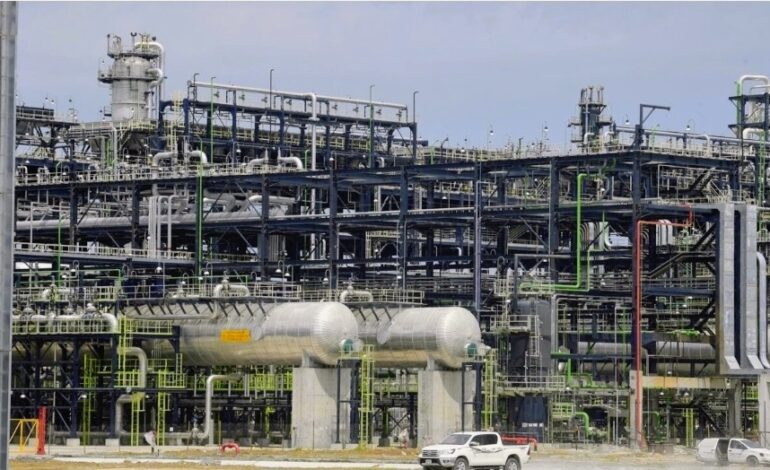
Dangote, whose Dangote Refinery in Lagos is one of Africa’s largest, argued that the regulator has been issuing excessive import licences for petroleum products, including from Russia, instead of prioritizing domestic supply. According to Dangote, these imports, projected at about 7.5 billion litres of petrol for early 2026, undermine local refineries, discourage investment, and put Nigeria at a strategic disadvantage.

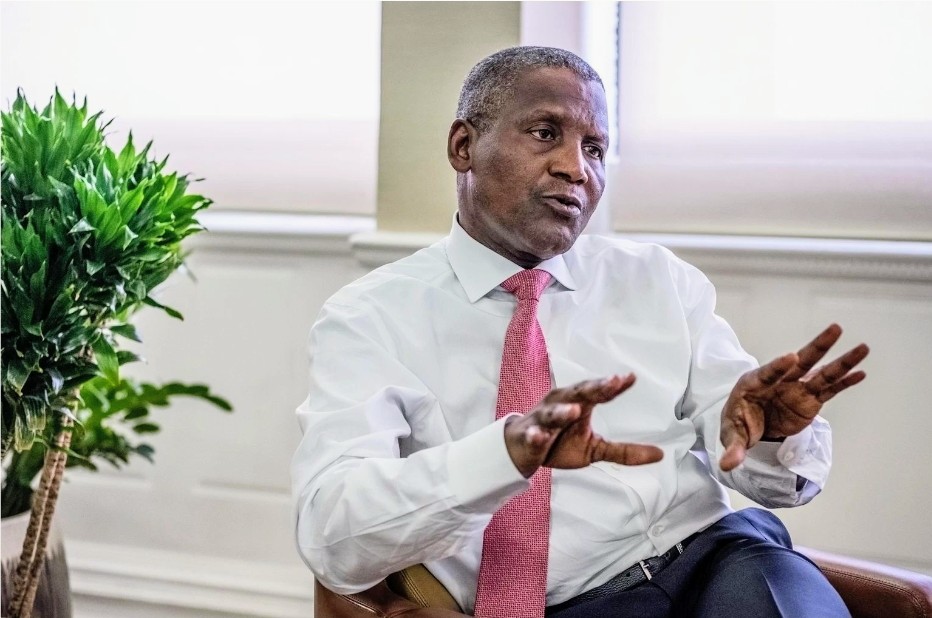
“This level of importation is harmful to the economy and contrary to industrial policy,” Dangote said, describing the regulatory practice as economic sabotage. He further claimed that fuel prices could fall significantly if local production were fully utilized, citing potential retail prices of around N740 per litre.
The dispute has taken a personal turn, with Dangote alleging corruption against NMDPRA Chief Farouk Ahmed. He accused Ahmed of misusing public office to fund private expenses, including a reported $5 million spent on his children’s schooling in Switzerland, and called for a formal investigation into these allegations.
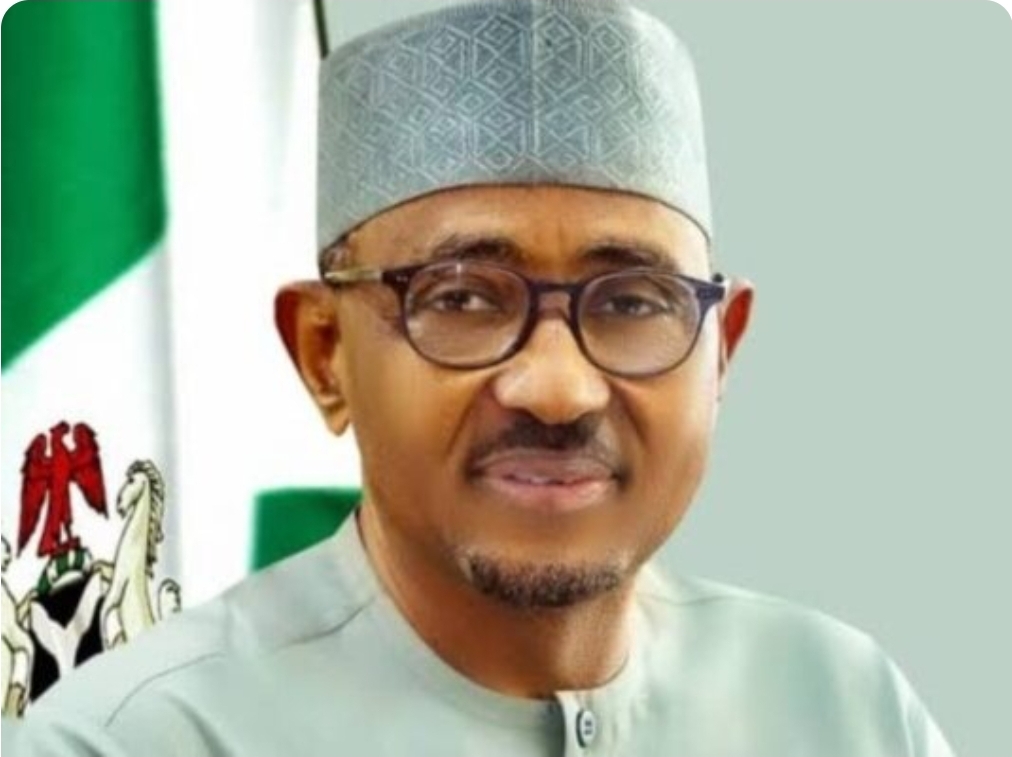
While Dangote’s criticisms focus on import policy and regulatory integrity, NMDPRA officials have defended their licensing practices, describing the billionaire’s claims as misleading and damaging. Industry observers note that Nigeria continues to rely heavily on fuel imports despite significant crude production, due to historically weak local refining capacity, a gap Dangote’s refinery was built to address.

The clash highlights a broader tension in Nigeria’s energy sector: the struggle between boosting local industrial capacity and maintaining a market oriented import system. With one of the world’s largest refineries now operational, Dangote is pressing for policy alignment to ensure domestic output is fully leveraged before importing cheaper foreign fuel.

The outcome of this dispute could have significant implications for Nigeria’s fuel pricing, energy security, and investment climate, as well as the broader debate over transparency and governance in the country’s petroleum sector.
DANGOTE REFINERIES, A GAME CHANGER IN AFRICA’S OIL PRODUCTION
DANGOTE WARNS CHEAP RUSSIAN FUEL IS THREATENING AFRICA’S REFINERIES
NAIRA-FOR-CRUDE RETURNS: BOOST FOR DANGOTE & NIGERIA’S LOCAL REFINERIES