Wayne Lumbasi

The United States has imposed new sanctions on a multinational network accused of recruiting, financing, and transporting Colombian ex soldiers to fight alongside Sudans Rapid Support Forces, a move Washington says is aimed at cutting off a dangerous pipeline worsening one of the worlds deadliest conflicts.
According to the US Treasury, the network has been active since at least September 2024, coordinating the movement of hundreds of former Colombian military personnel into Sudan.

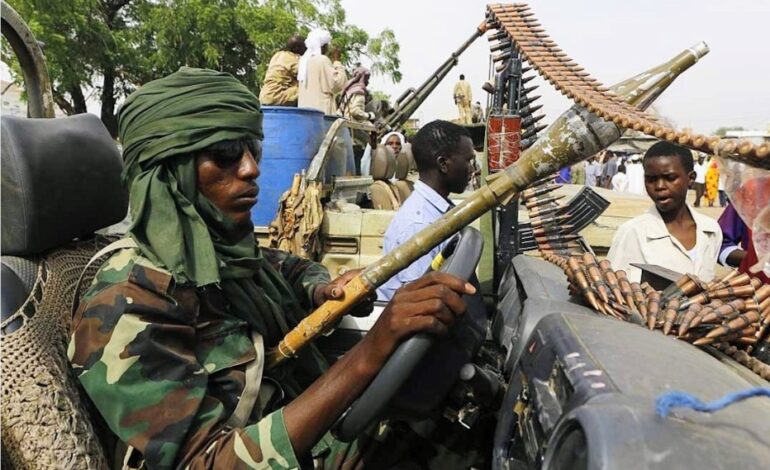
Many of the recruits allegedly served as infantry fighters, artillery specialists, drone operators, and vehicle crews for the RSF, strengthening the paramilitary group at a time when its campaign has been marked by mass atrocities, forced displacement, and widespread allegations of ethnic based killings. Some fighters were also said to have been involved in instructing child soldiers, adding another troubling dimension to an already brutal war.

At the centre of the operation is Alvaro Andres Quijano Becerra, a retired Colombian officer described as the architect of the recruitment chain. Treasury officials say Quijano and his associates used companies based in Colombia, Panama and the UAE to advertise overseas security jobs, process contracts, channel payments and transport mercenaries to conflict zones. Several firms linked to him, including a Colombian manpower company and a Panama registered staffing agency, were sanctioned for acting as logistical and financial conduits for the deployment.

The US argues that the influx of trained foreign fighters has strengthened the RSFs battlefield capabilities across multiple fronts, including Khartoum, Omdurman, Kordofan and Darfur, where civilians continue to suffer severe consequences. By freezing the networks assets and prohibiting any American entity from doing business with the individuals or companies involved, Washington hopes to disrupt what it calls an industrial scale mercenary pipeline feeding the conflict.
The move also highlights how Sudans war has increasingly drawn in actors far beyond its borders. What began as a power struggle between the RSF and the Sudanese army has expanded into a conflict sustained by foreign funding, weapons networks and now, according to the US, hired fighters with experience from Colombias long internal war.

While the sanctions mark one of Washingtons strongest actions aimed at the RSF so far, questions remain about how effectively they can dismantle such a wide operation. Many of the companies involved operate across jurisdictions that are difficult to regulate, and the financial incentives for former soldiers remain powerful. Still, US officials insist that targeting the base of the operation sends a strong message and adds pressure at a moment when the war shows no signs of easing.
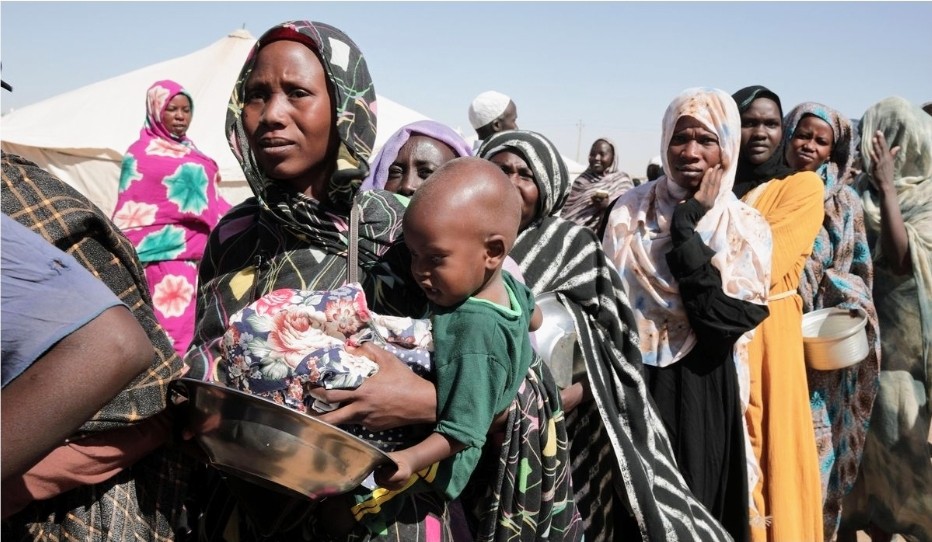
As Sudans humanitarian crisis grows and diplomatic efforts continue to struggle, the sanctions reflect Washingtons attempt to limit the international networks enabling the conflict. The real impact, however, will depend on whether other countries take similar actions and how quickly the alleged mercenary routes can be shut down.
SUDAN CRISES
SUDAN’S RSF ANNOUNCES THREE MONTH HUMANITARIAN CEASEFIRE AMID WAR
SUDAN’S TRAGEDY DEEPENS: EL FASHER MASSACRE SPARKS GLOBAL OUTCRY