Faith Nyasuguta
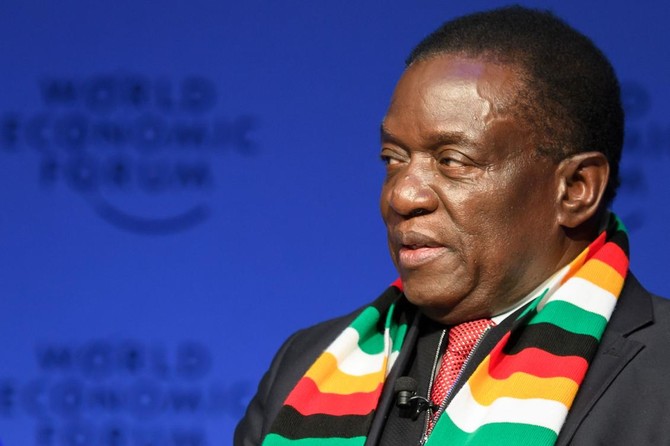
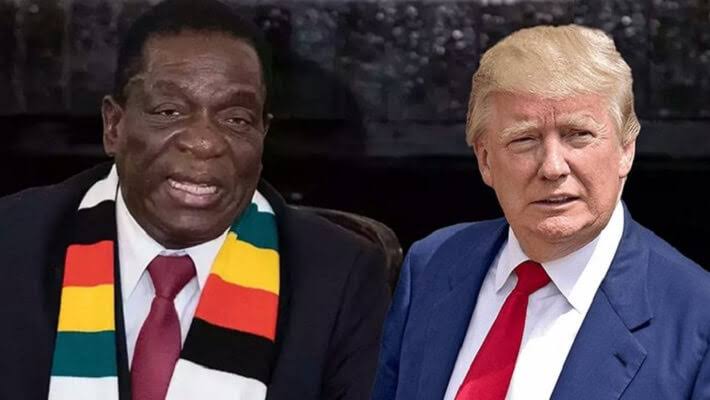
Zimbabwe has formally withdrawn from negotiations over a proposed US$350 million health funding agreement with the United States, after President Emmerson Mnangagwa ordered the process stopped, describing the draft arrangement as a threat to national sovereignty.
The directive was communicated in a December 23 letter from Ambassador A.R. Chimbindi, Secretary for Foreign Affairs and International Trade, to senior government officials. The letter stated: “Please be advised that the President, His Excellency Dr. Emmerson Dambudzo Mnangagwa, has directed that Zimbabwe must discontinue any negotiation with the USA on the clearly lop-sided MoU that blatantly compromises and undermines the sovereignty and independence of Zimbabwe as a country.”

The proposed funding fell under Washington’s America First Global Health Strategy, which the US has been promoting as a new model for bilateral health cooperation.

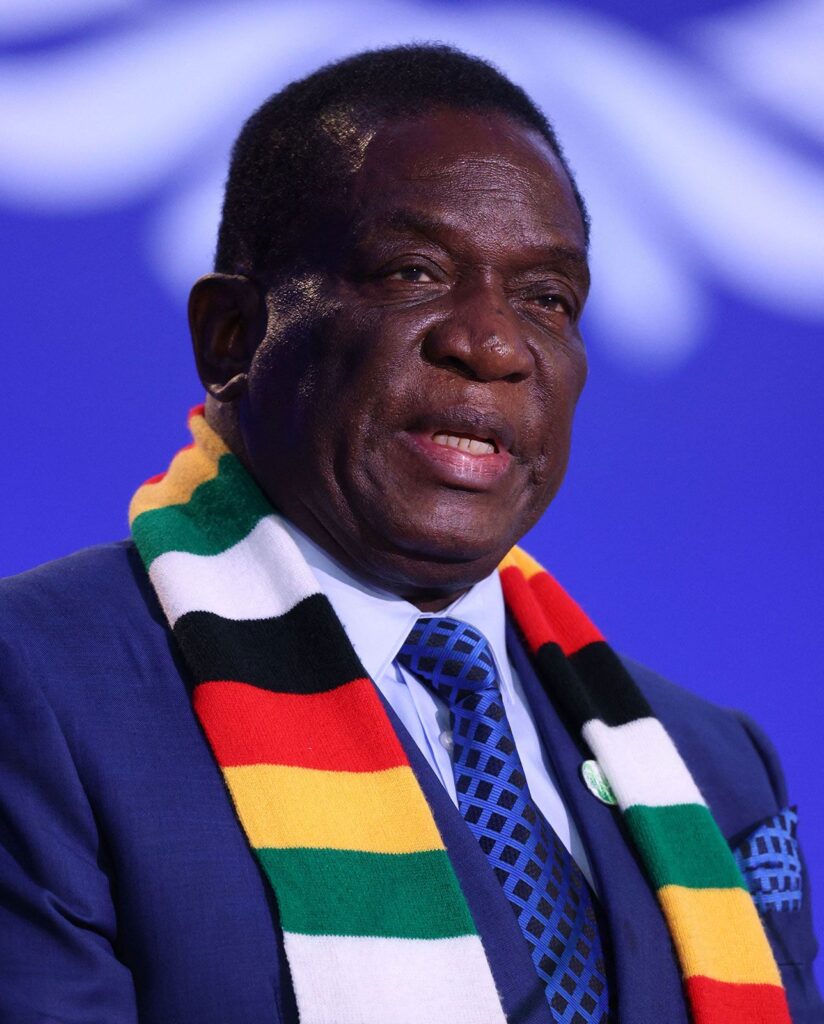
Zimbabwean officials reportedly objected to provisions granting Washington long-term access to national health data systems. Authorities viewed the request as intrusive, arguing it could expose sensitive population-level information. Negotiators were also unsettled by attempts to link Zimbabwe’s critical minerals sector to the broader health agreement – a move advisers feared could give the US strategic leverage beyond the health sector.

Government sources suggested that folding mineral access into a healthcare framework blurred boundaries between humanitarian cooperation and economic influence.
Harare also framed its withdrawal as a matter of principle in global health governance. Officials argued that endorsing a parallel bilateral framework could undermine multilateral systems, particularly after previous US tensions with the World Health Organization.

The decision came amid uncertainty over future American humanitarian assistance. With reports of restructuring within US foreign aid programs, Zimbabwe risks reductions in longstanding support for HIV treatment, nutrition initiatives, and other essential services previously classified as life-saving.

Despite Zimbabwe’s rejection, Washington’s health diplomacy continues to gain traction elsewhere in Africa, with more than a dozen countries reportedly signing similar agreements.
Zimbabwe’s move highlights a broader balancing act confronting many nations: securing development financing while preserving policy autonomy. In Harare’s view, cooperation remains welcome – but only, as officials suggest, on terms that do not compromise sovereignty.
RELATED: