Wayne Lumbasi

The United Kingdom has imposed visa restrictions on citizens of the Democratic Republic of the Congo (DRC), intensifying a diplomatic dispute over the return of migrants who have no legal right to remain in Britain.
The move marks a significant escalation in the UK’s increasingly hard-line approach to migration enforcement and signals a willingness to use visa policy as a tool of diplomatic pressure.

British authorities say the restrictions were introduced after repeated efforts to secure cooperation from the DRC on migrant returns failed. According to UK officials, Congolese authorities have been slow or unwilling to issue travel documents needed to deport undocumented migrants and foreign nationals convicted of crimes in the UK. Without these documents, removals cannot legally proceed, leaving hundreds of cases stalled.

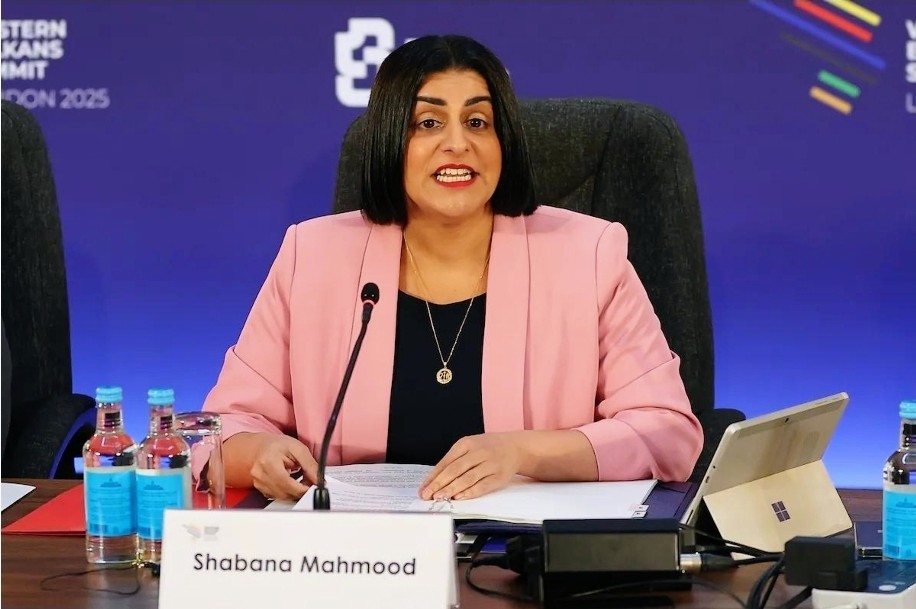
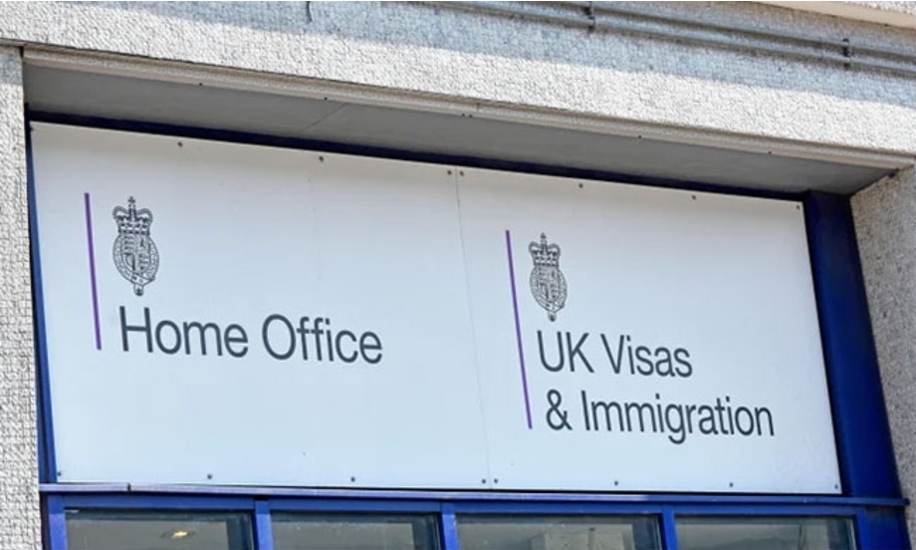
As a result, the UK government has suspended certain visa privileges for Congolese nationals. These include fast-track processing and special arrangements previously available to officials and diplomats. British ministers have warned that the measures could be expanded to broader visa limits if cooperation does not improve.

The decision reflects a broader shift in Britain’s migration policy under the current government, which has pledged to reduce irregular migration and speed up deportations. Officials argue that asylum systems cannot function effectively if countries of origin refuse to take back their citizens. “If someone has no right to stay, their home country must accept them back,” senior figures in London have said.
The visa action against the DRC comes as the UK pursues return agreements across Africa. In recent weeks, Britain reached deals with Angola and Namibia, securing commitments to accept deported nationals. Those agreements were presented as proof that diplomatic pressure can deliver results, with the DRC now serving as a test case for what happens when cooperation breaks down.

Migration remains a politically sensitive issue in the UK. Asylum applications are near record highs, and irregular crossings across the English Channel continue to fuel public debate. The government has responded by tightening asylum rules, increasing removals, and signalling that visa access will increasingly depend on a country’s willingness to cooperate on returns.
The DRC has not formally accepted the UK’s demands but has indicated that talks are ongoing. Congolese officials have previously cited administrative challenges, identity verification issues, and concerns over deportation procedures as obstacles to cooperation.
The standoff highlights a growing global trend in which wealthy nations use visas, aid, and diplomatic leverage to control migration flows. For the UK, the dispute underscores its determination to enforce removals and deter irregular migration. For the DRC, it presents a diplomatic challenge that could affect travel, education, and official engagement with Britain.
As negotiations continue, the outcome will determine whether visa restrictions are eased or further tightened. More broadly, the dispute illustrates how migration has become a central factor shaping international relations between Europe and Africa, with consequences extending well beyond border control.
AFRICA-EUROPE IMMIGRATION NEWS
UK THREATENS VISA BAN ON ANGOLA, NAMIBIA, DRC OVER MIGRANTS
NAMIBIA TO TERMINATE VISA-FREE ACCESS FOR CANADA, U.S, U.K, OTHER EUROPEAN COUNTRIES
OPINION: WHAT DOES THE DECLINE OF AFRICA’S VISA RESTRICTIONS IMPLY FOR AFRICANS?