Faith Nyasuguta

Ugandan authorities have ordered a nationwide internet shutdown just days before the country heads to the polls, a move that has raised alarm among rights groups and opposition figures ahead of a tightly controlled election. The blackout was announced on Tuesday, two days before voting, as President Yoweri Museveni seeks to extend his grip on power after nearly four decades in office.
Museveni, now 81, is widely expected to secure a seventh term on Thursday, backed by his firm control over state institutions and the security apparatus. Ironically, the veteran leader once argued that African rulers should not cling to power for too long. Yet after almost 40 years at the helm, he appears determined to eliminate any remaining uncertainty around the vote.

His main challenger, Bobi Wine, a 43-year-old pop star turned opposition leader, has emerged as a major force in the race. Despite repeated crackdowns, blocked rallies and violent dispersal of supporters, Wine has continued to draw large crowds, energising especially young voters frustrated by unemployment and political stagnation.

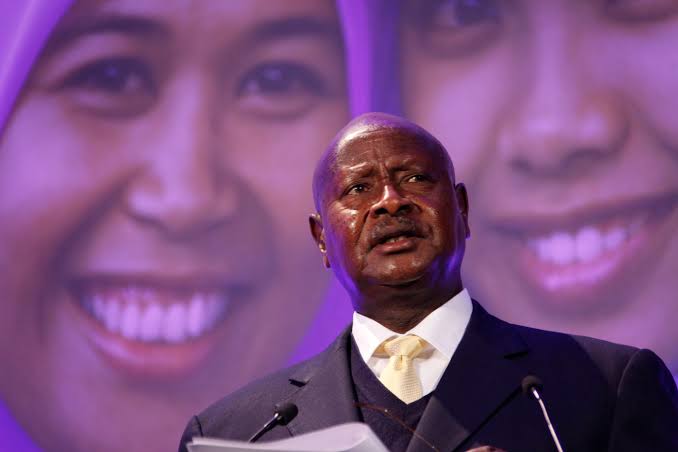
On Tuesday, Museveni held his final campaign rally in Kampala, staging a massive show of strength at Kololo National Ceremonial Gardens. Thousands of supporters streamed into the capital, with many telling AFP they had been transported from other regions and provided with free food. The event featured music, choreography and even a life-size mechanical mascot of the president, waving to cheering crowds.

However, the rally was largely shielded from international scrutiny. Several foreign journalists, despite holding government accreditation, were denied entry to the venue. Some reported being threatened with arrest by security personnel. “Your camera is not welcome,” one unidentified officer from the elite Special Forces Command told reporters.
As campaigning reached its climax, concerns about repression continued to mount. Human rights organisations and international observers say hundreds of opposition supporters have been arrested in the run-up to the vote. Another prominent opposition figure, Kizza Besigye, a long-time Museveni rival who has contested four previous elections, remains on trial in a military court after being abducted in Kenya in 2024 and forcibly returned to Uganda.


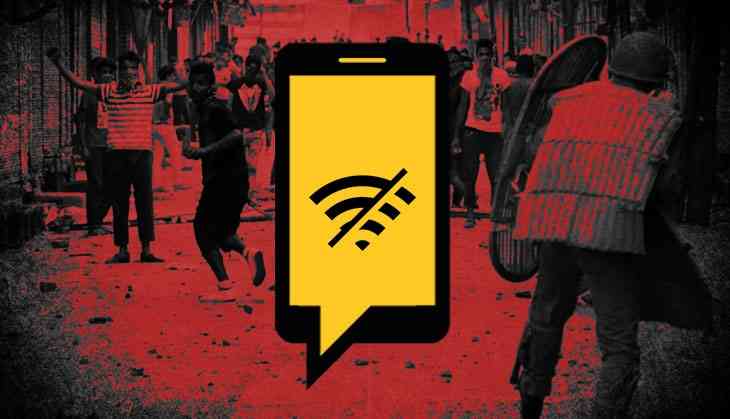
The internet shutdown itself was communicated through a letter sent to service providers by the Uganda Communications Commission. The regulator said access would be cut from 1500 GMT on Tuesday, citing the need to curb “misinformation” and “incitement to violence.” Two government officials confirmed the authenticity of the letter, though no formal public announcement was made. According to the officials, no one within the government was willing to publicly take responsibility for the decision.
The move echoes Uganda’s 2021 election, when authorities also shut down the internet during a vote later criticised for alleged rigging and widespread violence. This time, the government had repeatedly denied plans to do so, even dismissing such claims earlier this month as “false” and intended to create fear.
Supporters at Museveni’s rally defended the president’s long rule. Banura Oliver, 41, credited him with restoring stability in the 1980s and said longevity in office was not a concern. Others were less convinced. Some attendees admitted they came only for the food and questioned what the future held beyond election day.
“You give me food for today,” said Mugaala, a 23-year-old unemployed man, “but what about tomorrow?”
RELATED: