Faith Nyasuguta

Uganda’s government has announced a ban on live broadcasts and livestreams of protests, riots and other violent incidents as the country prepares for its general election on January 15, 2026. The move is part of a series of restrictions on information flow during a tense campaign period in which long-time President Yoweri Museveni is seeking to extend his more than 40-year rule.
The Ministry of Information, Communication and Technology and National Guidance said on January 5, 2026 that live coverage of riots, “unlawful processions” and violent events will no longer be permitted on TV, online platforms or social media. The ministry said the ban is intended to prevent the escalation of tensions and the spread of panic among the public during the election period.

Officials also warned media outlets – whether traditional broadcasters or digital publishers – against airing or sharing content they define as “inciting, hateful or violent.” The ministry stressed that communicating unverified or premature election results is also illegal and that the Uganda Communications Commission (UCC) is monitoring platforms for compliance.

Government representatives argue that controlled reporting is necessary to ensure peaceful elections and to protect public order. The Permanent Secretary at the ministry, Aminah Zawedde, told journalists that freedom of expression remains protected under the law, but journalists must exercise responsibility and refrain from broadcasting anything that might stir unrest.

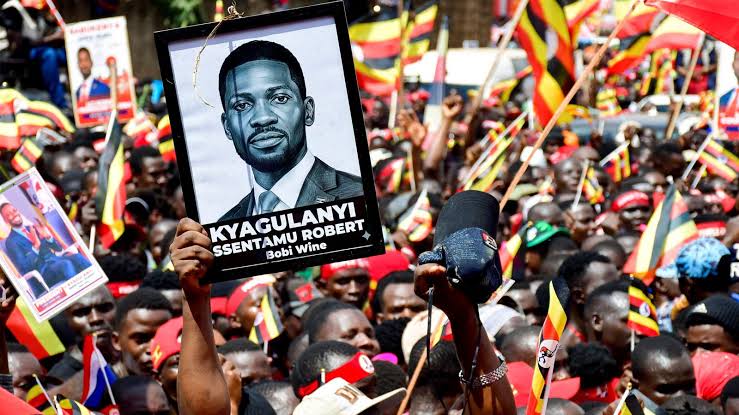
However, human rights groups and opposition supporters have criticized the ban as part of a broader pattern of repression aimed at silencing dissent and limiting opposition voices ahead of the vote. Rights organisations such as Amnesty International say that security forces have already engaged in arbitrary arrests, beatings and other human rights abuses against supporters of opposition leader Bobi Wine, who is running against Museveni.
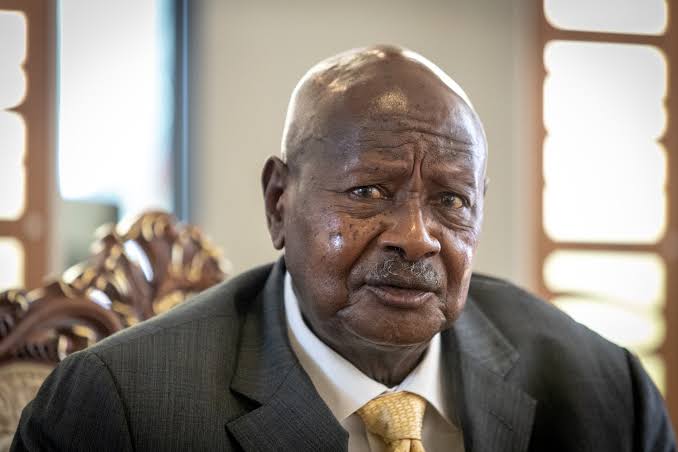
Museveni, an 81-year-old leader who has been in power since 1986, is facing the 43-year-old pop star turned politician, Bobi Wine (real name Robert Kyagulanyi), in the upcoming race. In the run-up to this election, hundreds of opposition supporters have reportedly been detained by authorities. Critics argue that these tactics, including the media ban, are intended to weaken the opposition and control the narrative around protests and political mobilisation.
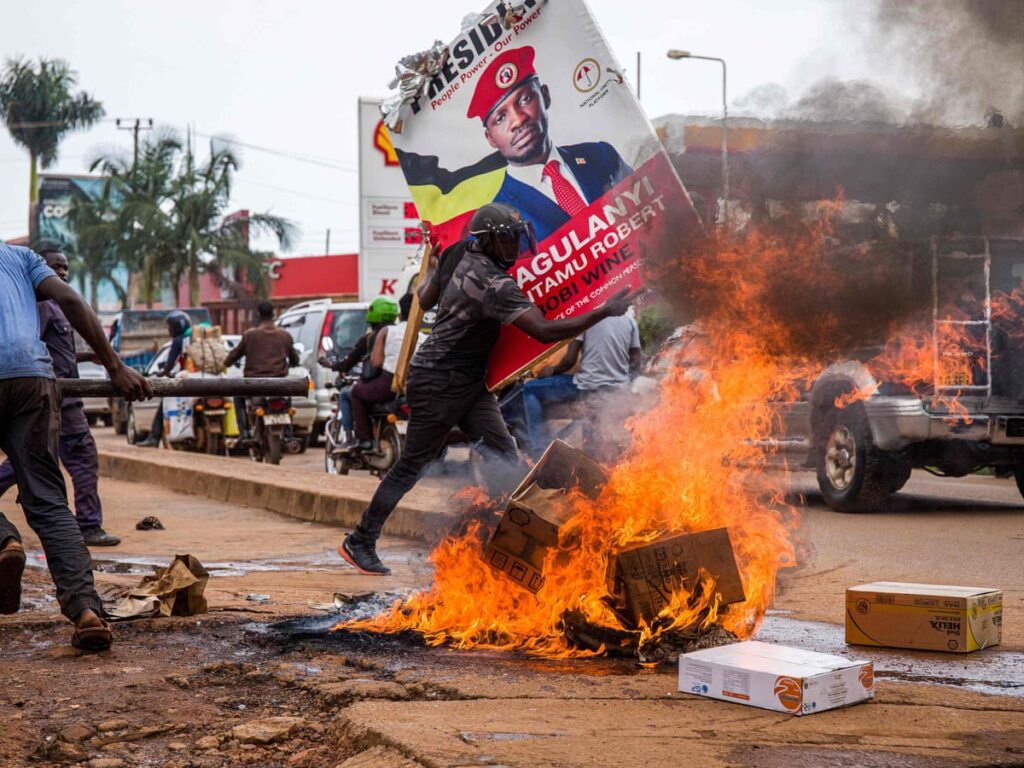
Observers point to previous elections, especially in 2021, when more than 50 people died in clashes between security forces and opposition backers. The government denied accusations that it used excessive force or suppressed opposition activities, but internationally some advocacy groups have expressed concern over the shrinking space for free expression in Uganda.
While Ugandan authorities defend their restrictions as necessary for national stability and peaceful voting, critics warn the broadcast ban undermines media freedom and the public’s right to information in a democratic process. With tensions high and political stakes raised, the election atmosphere in Uganda remains closely watched by both domestic and international audiences.
RELATED: