Njoki Kangethe

Lede:
- Who Really Benefits?
- Africa’s Silicon Dreams: Promise or Mirage?
PART 1: THE PROMISE OF TECH CITIES IN AFRICA
The Rise of Africa’s Tech Cities

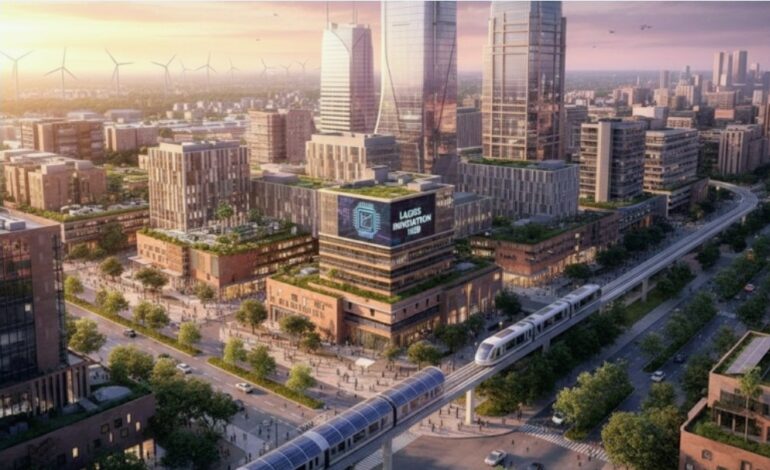
Across Africa, a new urban vision is taking shape. Governments, investors, and development agencies are building what they call ‘tech cities,’ ‘innovation hubs’, and ‘smart cities’; purpose-built urban areas designed to attract technology companies, startups, and global capital. From Kenya’s Konza Technopolis to Tatu City on the outskirts of Nairobi and Fumba Town in Zanzibar, these projects promise to position Africa as the next global frontier for innovation and digital transformation.

Tech cities are often marketed as Africa’s answer to Silicon Valley: planned ecosystems where technology, infrastructure, research, and business converge to drive economic growth. They typically feature high-speed internet, modern office parks, residential zones, universities, and transport networks,all designed to support a knowledge-based economy (World Bank, 2020).

Konza Technopolis, for example, has been framed as the cornerstone of Kenya’s ambition to become a leading digital economy in Africa. Similarly, Tatu City markets itself as a live-work-play environment for companies and middle-class residents, while Fumba Town promotes sustainable living and smart urban planning for a new generation (Konza Technopolis Development Authority, 2023).
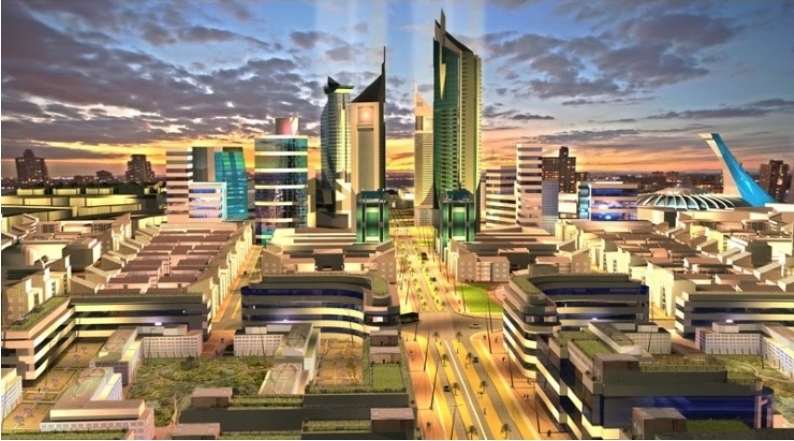
Yet beyond the glossy brochures and futuristic renderings, a deeper question emerges: are these developments truly designed for all Africans, or only for a select few?

The Promise: Jobs, Innovation, Investment, and Infrastructure
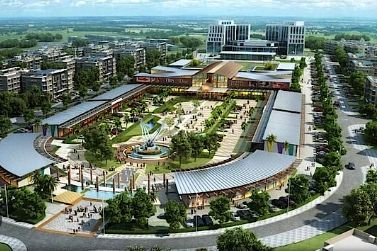
At the heart of the tech city narrative is the promise of transformation. Governments and developers argue that these projects will generate employment, stimulate innovation, attract foreign investment, and modernize infrastructure.
In theory, tech cities create new job opportunities across sectors. Beyond software development and IT, they are expected to support employment in construction, retail, logistics, education, and services. Proponents also emphasize the potential for startups and entrepreneurs to thrive in environments where capital, talent, and mentorship are concentrated (African Development Bank, 2021).
Infrastructure is another major selling point. Tech cities often include:
- Reliable electricity and water supply
- High-speed internet connectivity
- Integrated, smart transport systems, moving away from traditional, fragmented urban transport
- Research and innovation centers
These features are especially appealing in regions where infrastructure gaps have historically slowed economic growth. By creating concentrated zones of efficiency and modernity, tech cities are presented as catalysts for broader national development.
There is also a symbolic dimension. These projects signal progress, ambition, and global relevance. They position African countries as active participants in the digital economy rather than passive consumers of technology.
For young Africans, particularly university graduates, the promise is powerful: a future where talent can thrive at home instead of seeking opportunities abroad.
Government and Investor Goals: Growth, Capital, and Global Positioning
Behind the promise of tech cities lies a strategic alignment between governments and private investors. For policymakers, these projects represent a pathway to economic diversification and long-term growth.

Many African economies still rely heavily on agriculture, natural resources, or informal sectors. Tech cities are designed to shift this trajectory by encouraging investment in knowledge-based industries. Governments often support these developments through:
- Tax incentives for investors
- Special economic zones
- Public-private partnerships
- Infrastructure investments
These incentives are intended to attract multinational corporations and position countries as regional tech leaders (UN-Habitat, 2022).
For investors, tech cities offer access to emerging markets with young, rapidly growing populations. Africa has the world’s youngest demographic profile, and digital adoption is rising quickly. From fintech to e-commerce and artificial intelligence, the continent presents vast untapped potential.
As a result, tech cities are not just urban projects; they are geopolitical and economic statements. They reflect Africa’s desire to compete globally in innovation and technology.
Early Successes and Hurdles: Progress Meets Reality
Despite their promise, the progress of tech cities across Africa has been uneven.Some developments have made visible strides. Tatu City, for instance, has attracted schools, businesses, and residential communities. It demonstrates how private-led urban planning can create structured environments that appeal to investors and middle-income families.
At the same time, other projects have faced delays, budget constraints, and shifting timelines. Konza Technopolis, initially launched with ambitious expectations, has taken years to gain momentum. While infrastructure and institutions are gradually taking shape, the pace has been slower than originally envisioned (Konza Technopolis Development Authority, 2023).
This pattern is not unique to Kenya. Large-scale planned cities across the continent often encounter:
- Funding gaps
- Policy changes
- Land acquisition challenges
- Coordination issues between stakeholders
These hurdles raise important questions about long-term sustainability and feasibility. Mega-projects require not just investment, but consistent political commitment, effective governance, and strong institutional capacity. The contrast between vision and reality is becoming an important part of the story.
Setting the Stage for Human Impact: Who Is Left Out?
While the narrative around tech cities often focuses on innovation and opportunity, a critical question is beginning to emerge: who truly benefits from these developments?
So far, much of the conversation has centered on economic growth and global competitiveness. But the everyday experiences of ordinary citizens; farmers, traders, informal workers, and low-income families, are less visible in official narratives.
Will the jobs created be accessible to people without advanced education? Will surrounding communities benefit from improved infrastructure? Or will these cities become enclaves designed primarily for investors, elites, and skilled professionals?
Early discussions among urban researchers suggest that the benefits of high-tech developments often concentrate among those who already have access to education, capital, and networks (World Bank, 2020). This raises concerns about widening inequality if the gains are not widely shared.
The story of Africa’s tech cities is not just about buildings and broadband; it is about people. And the real impact may only become visible over time, in the lives of those living around these projects.
Conclusion: A Dream Worth Questioning
Africa’s tech cities represent ambition, optimism, and a bold vision for the future. They promise jobs, innovation, and modern infrastructure. They aim to reposition the continent within the global digital economy.
But alongside the excitement, there are important questions that cannot be ignored.
Who gains the most from these projects?
Who might be left behind?
And what happens when development moves faster than inclusion?
As these cities continue to grow, the human story behind them is only beginning to unfold.
In the next article, we will move beyond the promises and examine a more complex reality; looking at land use, displacement, and how development can reshape the lives and livelihoods of ordinary Africans.
References
African Development Bank. (2021). African Economic Outlook 2021: From Debt Resolution to Growth.
Konza Technopolis Development Authority. (2023). Konza Technopolis Progress Updates and Strategic Plan.
UN-Habitat. (2022). Smart Cities and Inclusive Urban Development in Africa.
World Bank. (2020). Cities and Economic Development in Africa: Building Competitive and Inclusive Urban Economies