Wayne Lumbasi

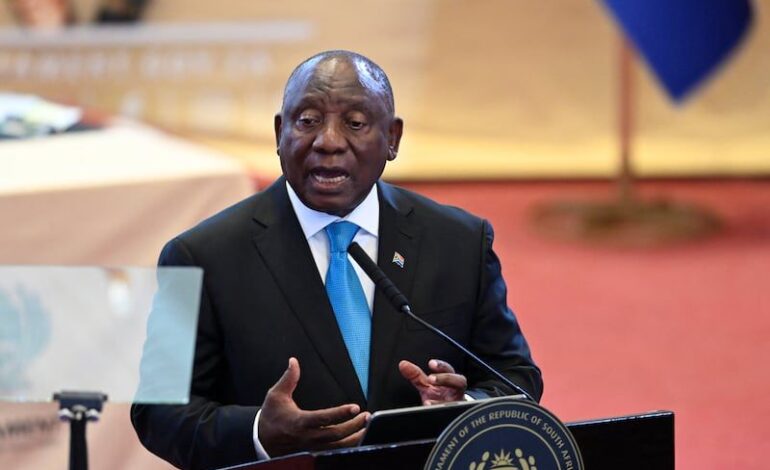
South Africa’s president, Cyril Ramaphosa, has ordered the deployment of the military to support police operations in a major escalation of the country’s response to organised crime, describing criminal syndicates as an immediate threat to public safety, economic stability, and social cohesion.
The directive authorises the South African National Defence Force to work alongside the South African Police Service in targeted interventions aimed at dismantling gang networks and disrupting illegal mining operations blamed for a surge in violence. Ramaphosa said law enforcement agencies are facing increasingly coordinated and heavily armed criminal groups, making joint action necessary to stabilise affected communities.

Authorities indicate that operations will prioritise areas hardest hit by shootings, intimidation, and extortion. In parts of the Western Cape, gang rivalries have repeatedly erupted into deadly clashes, leaving residents fearful and disrupting daily life. Meanwhile, sections of Gauteng have experienced violence linked to illegal mining syndicates, with reports of armed confrontations and community displacement.

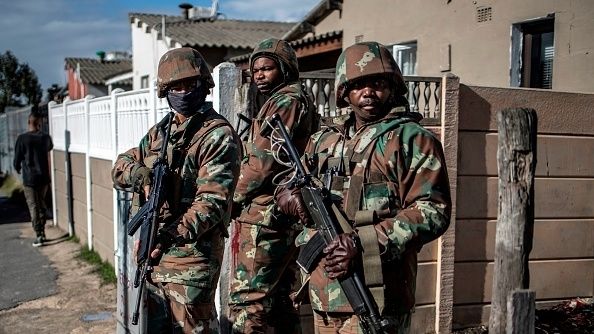
The president emphasised that the military’s role is to reinforce civilian policing capacity rather than replace it. Additional police recruitment, intelligence driven investigations, and tighter firearm enforcement are being rolled out as part of a broader strategy to weaken organised criminal structures. Operational planners are finalising deployment logistics, coordination frameworks, and oversight measures to guide the mission.

Government officials frame the intervention as both an urgent stabilisation step and part of longer term institutional reform aimed at restoring confidence in law enforcement. Authorities argue that tackling illicit economies, strengthening accountability, and improving policing capacity are essential to prevent criminal networks from regaining influence.
For communities living under persistent threat, the joint deployment signals a more assertive state response to violence. Its success will depend on whether tactical operations translate into sustained reductions in crime, improved safety, and renewed trust between residents and security forces.

RELATED: