Faith Nyasuguta
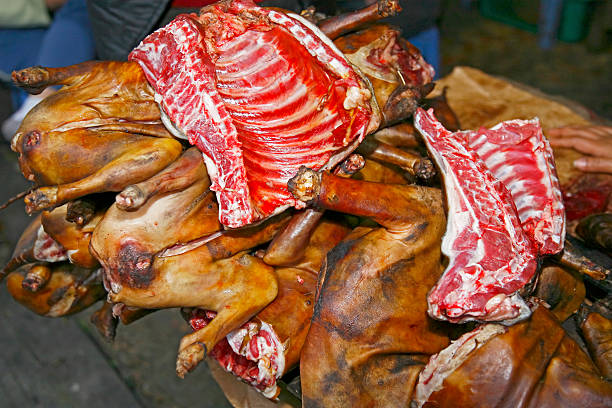
Nigeria is widely reported to be the third-largest consumer of dog meat globally, trailing only South Korea and Vietnam, according to the Dog Friendly Country Index and related research. In local parlance, dog meat is commonly known as “404,” a practice most prevalent in the southern states of Cross River and Akwa Ibom, among others.
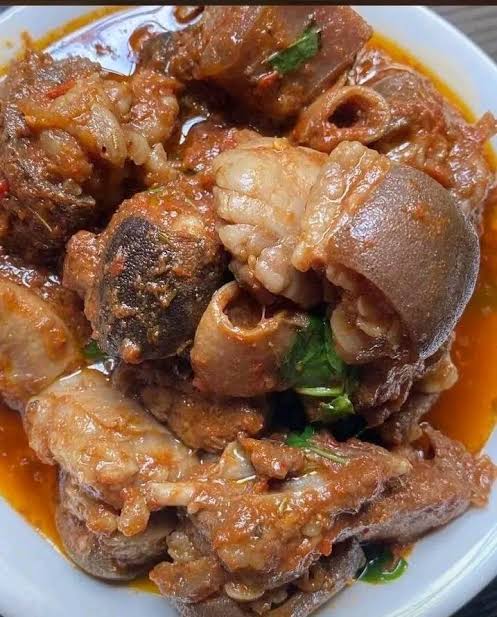
The consumption of dog meat in Nigeria is not a recent phenomenon but a deep-rooted cultural tradition in certain communities. Among the Efik and Ibibio peoples of Cross River and Akwa Ibom, for example, dog meat has long been a part of regional culinary heritage and social events. It is often served at weddings, funerals and festivals and prepared with local ingredients such as gin and scent leaves.

Beyond these historic practices, sociocultural beliefs also shape patterns of consumption. In some communities, dog meat is thought to confer strength, vitality or other health benefits. These beliefs help explain why the dish remains popular even as attitudes toward meat preferences evolve in urban centres.

Markets that trade in live dogs, such as the Dawaki dog market in Plateau State, continue to thrive, attracting traders from across northern and southern Nigeria. These markets draw buyers from neighbouring countries as well, reflecting both the economic dimension of the trade and its persistence despite controversy.

Despite its popularity in certain areas, dog meat consumption in Nigeria is highly contested. Animal rights advocates have criticised the practice as cruel and unsanitary, pointing to the lack of formal regulation in the slaughter and preparation of dog meat. A motion to ban the sale and consumption of dog meat in parts of Akwa Ibom State was recently rejected by lawmakers, leaving the practice legal and unregulated in that region.
Public health concerns also feature prominently in debates about dog meat. Studies and advocacy groups have raised alarms about the risk of diseases such as rabies and other infections associated with improper handling, transport and slaughter of dogs. These issues are compounded by the widespread movement of stray animals into the dog meat supply chain.

Not everyone in Nigeria consumes dog meat, and attitudes vary widely across ethnic, religious and urban-rural divides. In some urban centres, dog meat joints or restaurants cater to local tastes, while in others the practice remains rare or socially frowned upon.
Nigeria’s position as a leading consumer of dog meat highlights the intersection of culture, tradition, economics and public health in food practices that can differ substantially from global norms. While the country’s ranking on global dog consumption lists draws attention, the debate surrounding the practice showcases ongoing tensions between cultural heritage and modern concerns about animal welfare and human health.
RELATED: