Wayne Lumbasi
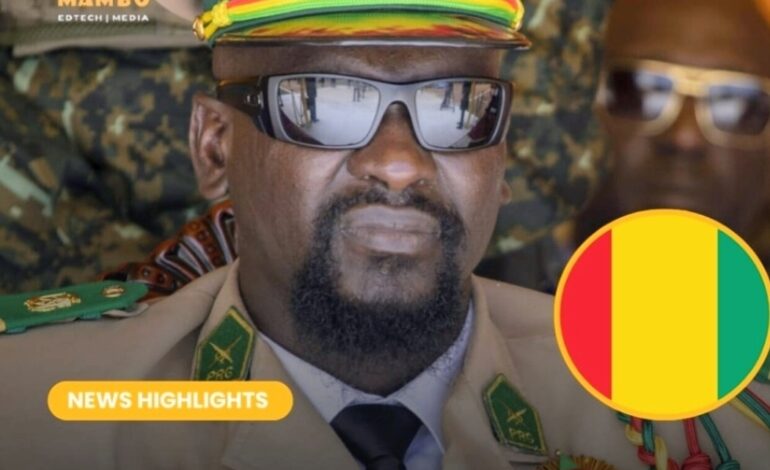
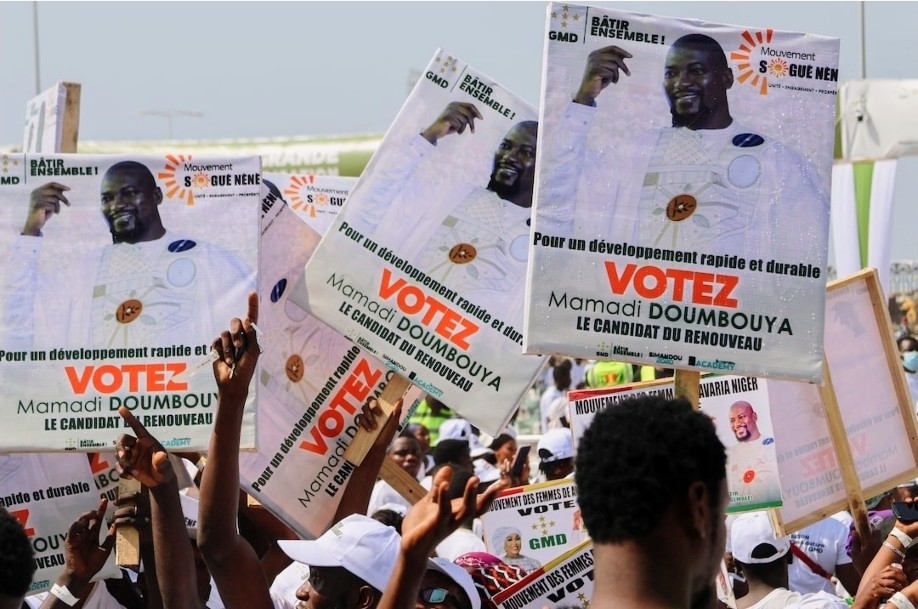
Guinea coup leader Mamady Doumbouya has been declared the elected president, according to provisional results announced on Tuesday. The coup leader who promised to return the country to constitutional order inspite of multiple delays, and postponements has returned civilian rule to the West African nation.
Guinea’s presidential election has entered a tense and closely watched phase yestarday, with General Mamady Doumbouya, the country’s junta leader, reported to be leading by a wide margin in provisional results. The vote, held on December 28, 2025, is the first presidential election since the 2021 military coup that brought Doumbouya to power, and it has been marked by controversy and restrictions on digital platforms.

Early tallies released earlier by electoral authorities showed Doumbouya ahead in most constituencies, including strong support in the capital, Conakry. Observers noted that he appears to be winning more than 80 percent of the vote in several districts, consolidating his hold over the country’s political landscape. The results have drawn close attention from both local and international media and rights groups concerned about the fairness of the process.

In the days leading up to and following the vote, Guinea experienced restrictions on major social media platforms such as TikTok, YouTube, and Facebook. Internet monitoring groups reported widespread disruptions, preventing citizens from freely sharing updates and opinions on the election. These measures were seen by many as limiting public discussion as Doumbouya’s lead became apparent.
The election itself has been marked by limited competition. Several prominent opposition figures were barred from running, and some major political parties have been dissolved or sidelined. Many voters had few alternatives on the ballot, prompting questions about how representative the process is.
Doumbouya, a former special forces commander, had initially promised not to run for office and to return the country to civilian rule. However, a new constitution approved in September 2025 removed restrictions on junta leaders running for president and extended the length of presidential terms, paving the way for his candidacy. This change has raised debate about the country’s democratic path.
International observers, including the United Nations, highlighted concerns over the electoral environment, noting instances of intimidation, limitations on media freedom, and challenges for political opponents. They warned that these conditions could affect perceptions of the election’s credibility.
Doumbouya’s win gives him a seven-year mandate of a country that holds the world’s largest bauxite reserves and the richest untapped iron ore deposit in the world. Like other revolutionaries in the Sahel, he has transfered the some of the partnerships of the country’s assets to state-owned firms.
Guinea, Africa’s top bauxite exporter and the world’s second-largest producer of the mineral, had previously canceled 46 mining licenses as part of a major industry-wide reform.
GUINEA’S COUP LEADER JOINS PRESIDENTIAL RACE
GUINEA REVOKES 46 MINING LICENSES IN SWEEPING SECTOR REFORM TO BOOST ACCOUNTABILITY