Wayne Lumbasi

Egypt has issued a firm warning to Ethiopia over continued unilateral actions on the Nile River, escalating tensions surrounding the long-running dispute over the Grand Ethiopian Renaissance Dam and future upstream projects. Cairo says it will not accept any new dams on the Nile without prior agreement, stressing that water security remains a red-line national issue and that it reserves the right to take all lawful measures to protect its interests.
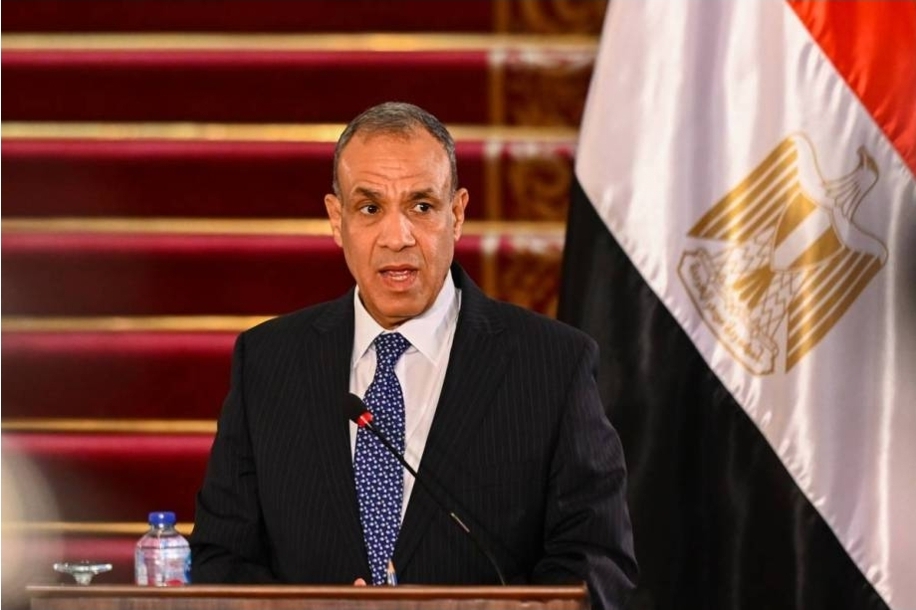
The warning was delivered by Egypt’s Foreign Minister, Badr Abdelatty, who said Ethiopia’s approach to dam construction and operation threatens regional stability and violates established principles of international law governing shared waterways. Egypt argues that unilateral decisions on the Nile, particularly those affecting the flow of water downstream, undermine cooperation and place millions of people at risk in downstream countries.

At the centre of the dispute is the Grand Ethiopian Renaissance Dam, Africa’s largest hydroelectric project, which Ethiopia says is essential for its economic development and energy needs. While Addis Ababa insists the dam will not cause significant harm to downstream nations, Egypt has repeatedly accused Ethiopia of filling and operating the dam without a binding legal agreement, leading to unpredictable water flows and heightened flood risks, especially during heavy rainfall seasons.

Egypt relies on the Nile for nearly all of its freshwater supply, making any disruption to the river an existential concern. Officials in Cairo say Ethiopia’s refusal to commit to a legally binding framework on the filling and operation of the dam sets a dangerous precedent and weakens trust between Nile Basin states.

Sudan has also raised concerns in the past, warning that uncoordinated water releases could endanger dams, farms and communities along the river.
Despite the sharp rhetoric, Egypt maintains that it prefers a diplomatic solution and continues to call for negotiations aimed at reaching a comprehensive, legally binding agreement. However, the latest warning signals growing frustration with years of stalled talks and failed mediation efforts involving regional and international partners.

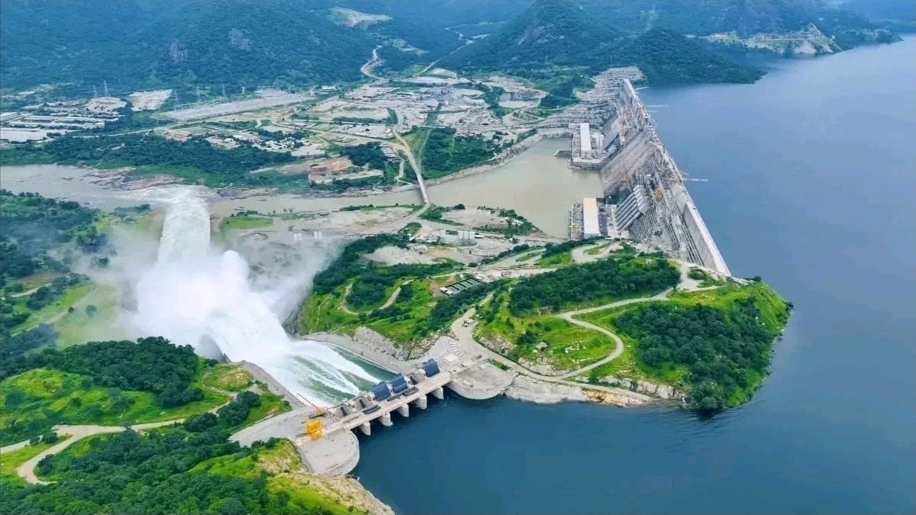
Ethiopia, for its part, has rejected what it describes as pressure tactics, insisting it has the sovereign right to use its natural resources for development. Ethiopian officials argue that the dam represents a win-win opportunity for the region by providing affordable electricity and regulating river flows, and they accuse Egypt of clinging to outdated arrangements that no longer reflect regional realities.
As the GERD becomes fully operational and Ethiopia looks ahead to future water projects, the dispute shows no sign of easing. With climate change increasing pressure on water resources across the Horn of Africa and North Africa, the Nile dam row remains one of the most sensitive geopolitical challenges in the region, carrying significant implications for stability, cooperation and the livelihoods of millions who depend on the river.
EGYPT MOVES TO DEVELOP PORTS IN ERITREA AND DJIBOUTI AMID NILE DISPUTE WITH ETHIOPIA
EGYPT RENEWS WARNING AS ETHIOPIA’S MEGA-DAM THREATENS NILE WATER SECURITY
ETHIOPIA OFFICIALLY UNVEILS AFRICA’S LARGEST HYDROELECTRIC DAM AMID CELEBRATION AND REGIONAL TENSIONS