Faith Nyasuguta

A new diplomatic twist may be emerging in one of Africa’s most high-stakes water standoffs. Reports indicate that Egypt has floated the possibility of helping Ethiopia secure access to the Red Sea – but only if progress is made in the long-running disagreement over the Nile and the massive dam Ethiopia built upstream.
The idea surfaced in a report by The National, which cited Egyptian sources familiar with regional diplomacy. According to the report, the proposal was relayed to Ethiopian Prime Minister Abiy Ahmed and also communicated to Washington as part of broader discussions about resolving the dispute.

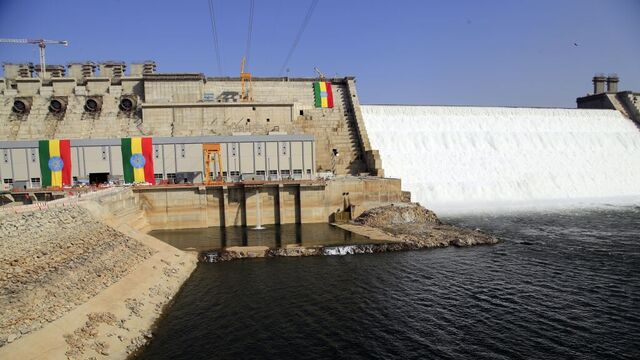
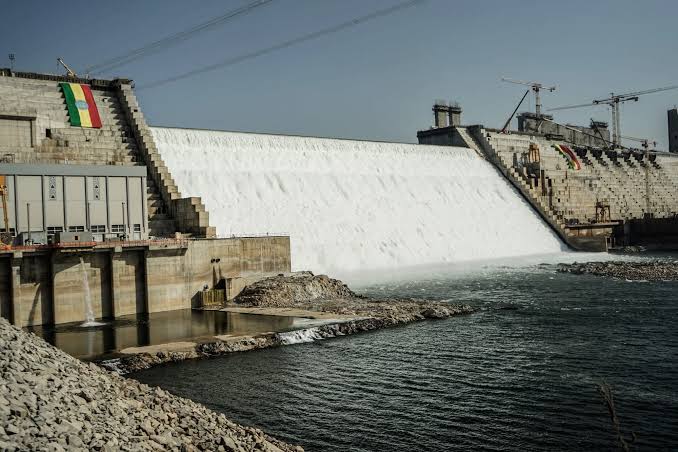
At the center of the tension is the Grand Ethiopian Renaissance Dam, a massive hydroelectric project that Ethiopia views as vital for its economic future but which Egypt fears could reduce the flow of Nile water downstream. For more than a decade, negotiations involving regional and international mediators have struggled to produce a lasting agreement.

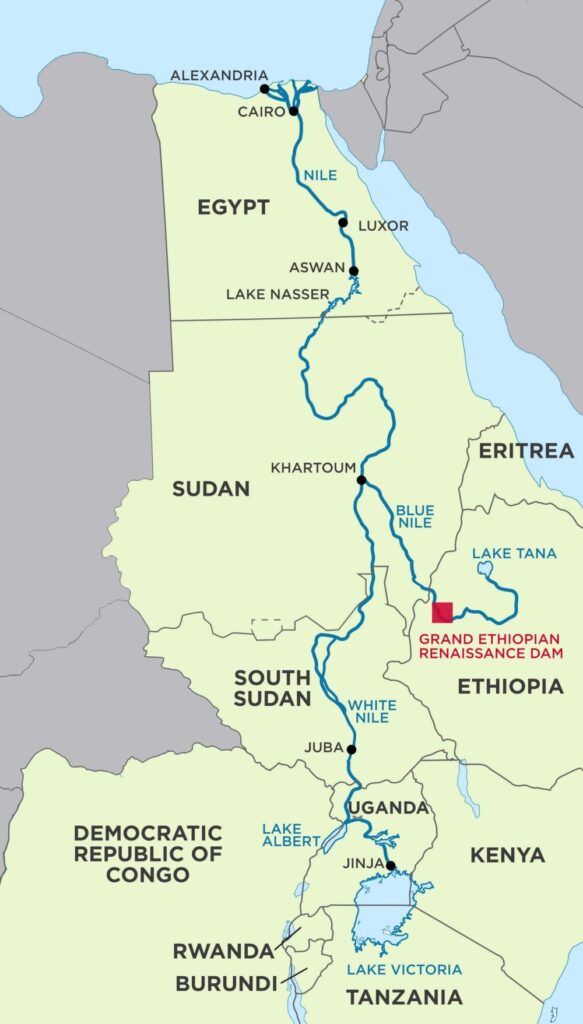
Egypt has historically argued that any major upstream water project must guarantee its long-standing share of the Nile, which supports agriculture, drinking water, and industry for millions of Egyptians. Ethiopia, on the other hand, insists the dam is essential for electricity generation and development, and maintains that it has the right to utilize the river within its territory.

Against this backdrop, the reported proposal introduces a striking new bargaining element: maritime access.
Ethiopia has been landlocked since Eritrea gained independence in 1993, leaving the country heavily dependent on foreign ports for trade. Most Ethiopian imports and exports currently move through Djibouti, creating strategic and economic vulnerabilities. In recent years, Addis Ababa has increasingly spoken about the need to diversify its access to the sea, making the issue a growing regional concern.

According to the report, Egyptian officials indicated that Cairo could work with African partners to help Ethiopia obtain some form of access to the Red Sea if Addis Ababa shows flexibility in negotiations related to the dam and Nile water management.
Exactly what that access would look like remains unclear. It could involve port arrangements, infrastructure partnerships, or regional diplomatic support rather than a direct territorial concession. No formal plan has been announced publicly, and officials from both governments have not confirmed the discussions.
The reported outreach also intersects with renewed international attention on the dispute. Sources cited in the report say the proposal was shared with the administration of Donald Trump, who has previously expressed interest in mediating the Nile dam disagreement.
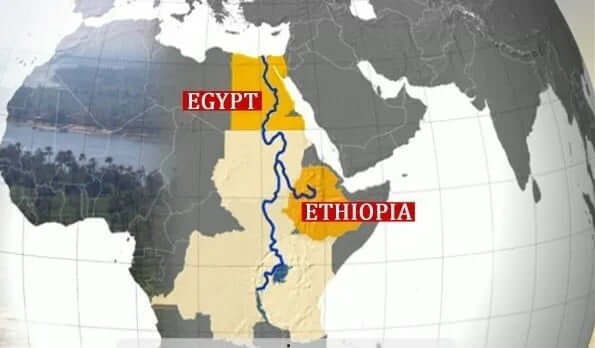
For years, the dam issue has strained relations across the Horn of Africa and North Africa, occasionally raising fears of escalation. Egypt has repeatedly warned that water security is a national security issue, while Ethiopia has framed the project as a symbol of sovereignty and self-reliance.
If the reported diplomatic idea gains traction, it could signal a significant shift in strategy. Rather than focusing solely on water quotas and dam operations, negotiations could expand into broader regional cooperation, linking water security with trade routes, infrastructure, and geopolitical partnerships.
Such a development would carry major implications across the region. Access to the sea could reshape Ethiopia’s economic trajectory, potentially easing pressure on existing transport corridors while strengthening trade links. For Egypt, progress on the Nile dispute would represent a major strategic objective after years of stalled talks.
However, analysts caution that the idea remains speculative. Diplomatic signaling and trial proposals are common in complex negotiations, particularly when multiple regional powers and global actors are involved.
Until either government confirms the discussions publicly, the reported offer should be viewed as part of ongoing behind-the-scenes diplomacy rather than a finalized initiative.
Still, the mere suggestion reflects how fluid alliances and negotiations in the region have become. As competition for water, trade routes, and influence intensifies, unconventional proposals may increasingly shape the future of the Horn of Africa and the Nile Basin.
RELATED: