Faith Nyasuguta

Burkina Faso’s military-led government has taken a decisive step of banning and dissolving all political parties in the country, saying it is necessary to “preserve national unity” and “reform political governance.” The decree was approved by the country’s council of ministers and marks a major shift in the political landscape of the West African state.
The decision, which took effect in late January 2026, eliminates the legal framework that allowed political parties to exist and operate, and transfers all party assets to the state. Interior Minister Emile Zerbo said the government believed the previous multiparty system had fostered division among citizens, weakened social cohesion and allowed abuses of the political process. He described the dissolution as part of an effort to “rebuild the state” and lay the foundation for a new model of political governance.

Before the ban, Burkina Faso had a vibrant multiparty system with more than 100 registered political parties, including about 15 that held seats in the national parliament following the 2020 elections. Under the new decree, all these parties and political formations have ceased to exist, and laws governing their organisation, financing and roles – including that of the opposition leader – are being repealed or replaced by draft legislation to be submitted to the country’s Transitional Legislative Assembly.

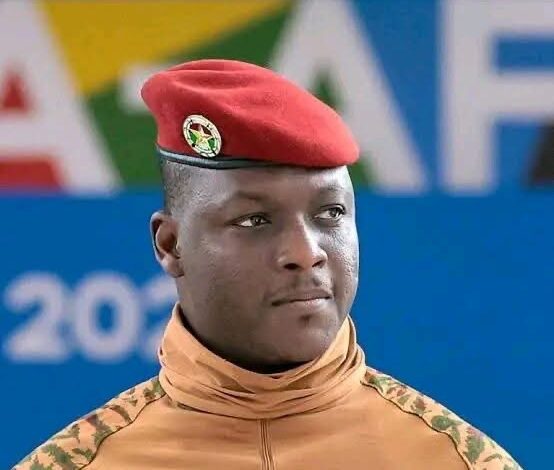
Political parties in Burkina Faso had already faced severe restrictions since September 2022, when Captain Ibrahim Traore seized power in a military coup. After the takeover, party activities were progressively curtailed; public rallies were banned and planned elections were postponed, most recently delayed until 2029, undermining earlier promises to restore civilian rule. Critics say the latest move completes the erosion of democratic space in the country by effectively outlawing organised political opposition.

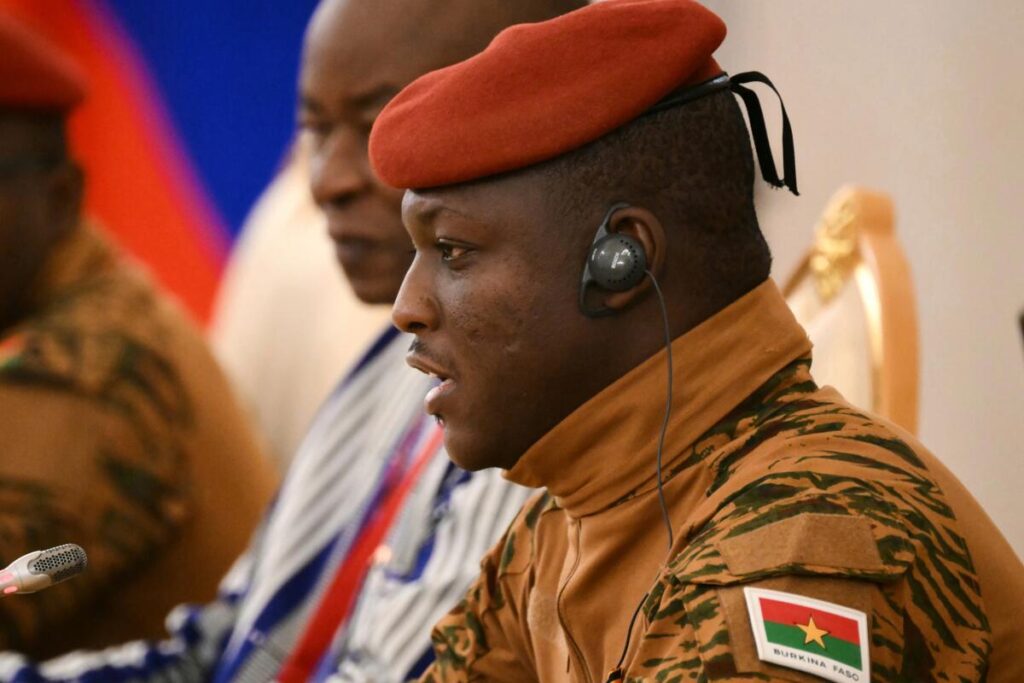
The government argues that the multiparty system no longer served its intended purpose in a country grappling with deep security and governance challenges. Burkina Faso is one of several Sahel nations facing an ongoing insurgency linked to armed groups associated with al-Qaeda and the Islamic State, resulting in widespread violence, displacement and instability. In this context, authorities claim that dissolving parties will reduce fragmentation and allow for more unified governance.
However, both local and international observers have raised concerns. Many see the ban as a further consolidation of power by the junta rather than a genuine effort at reform. By scrapping independent political structures and dissolving institutions like the Independent National Electoral Commission – which was abolished in 2025 – the military government has increasingly concentrated authority in its own hands. Human rights groups and analysts say these actions limit political freedoms and narrow civic space, making a return to democratic governance more uncertain.

Supporters of Traore’s government argue that traditional party politics contributed to dysfunction and division in the past, pointing to years of unstable civilian administrations and ineffective responses to the security crisis. They claim that a reimagined political framework could bring greater stability and cohesion, although details on what this framework might look like have not been fully explained.
The draft laws being prepared are expected to outline new rules for political organisation, but until they are enacted, Burkina Faso will have no legally recognised political parties.
International reactions have been mixed. Some regional leaders acknowledge the challenges Burkina Faso faces, including violent insurgencies and governance issues, but most Western governments and democratic institutions have expressed concern about the rollback in democratic rights and the absence of an inclusive political process. The decision strengthens perceptions that recent military takeovers in the Sahel have not led to quick political transitions back to civilian rule.
For ordinary Burkinabe, the ban has significant implications. Without political parties, citizens have fewer established avenues for organising around issues, representing interests or challenging government decisions. Civil society organisations, already operating in a constrained environment, may find it harder to engage politically without the framework that parties traditionally provide. Observers say this could lead to increased frustration and social tension if alternative political participation channels are not created.
In the coming weeks and months, the transitional government will push draft legislation through the Transitional Legislative Assembly to formalise the new political order. How these changes will affect long-term stability, governance and the possibility of future elections remains uncertain.
What is clear is that January 2026 marked a significant turning point in Burkina Faso’s political history, as the state moves further away from competitive multiparty politics toward a model defined by executive authority and military influence.
RELATED: