Njoki Kangethe

PART 2: WHEN PROGRESS PUSHES PEOPLE OUT: DISPLACEMENT IN TECH CITIES
Land, Law, and the Cost of Development

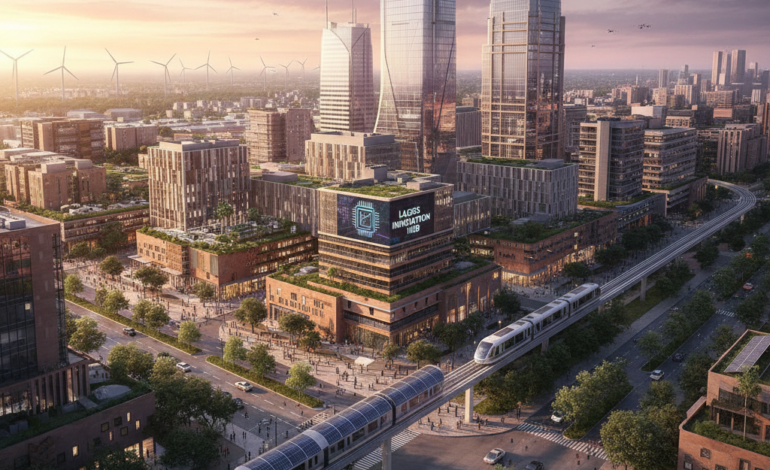
Across Africa, the rise of tech cities and planned innovation hubs is reshaping landscapes as much as economies. These projects require vast tracts of land for offices, residential areas, roads, utilities, and commercial zones. While often framed as necessary for national progress, land acquisition remains one of the most sensitive and contested aspects of development.

Governments typically acquire land through legal mechanisms such as compulsory acquisition, public-private partnerships, or negotiated purchases. In principle, these processes are meant to protect landowners through compensation frameworks and legal safeguards. In practice, however, outcomes vary widely depending on land tenure systems, access to legal representation, and the power dynamics between developers and local communities (UN-Habitat, 2022).

In many parts of Africa, land ownership is complex. Some land is formally registered, while other parcels are held under customary tenure systems passed down through generations. This creates a vulnerability: people who rely on land for survival may not always have formal documentation to prove ownership.
As tech cities expand, the question is no longer just about infrastructure and innovation. It is also about who must move aside to make space for progress.
Who Loses Land, and Why

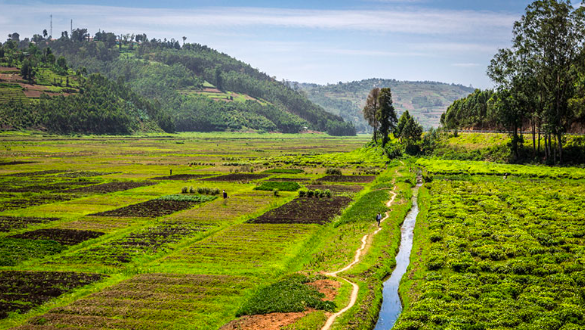
The people most affected by land acquisition are often those with the least protection: smallholder farmers, informal traders, and low-income communities living on the edges of cities. These groups depend heavily on land not just for housing, but for livelihoods, food production, and income generation.
Small-scale farmers are particularly vulnerable. When land is earmarked for large-scale development, they may be asked to sell or vacate, sometimes under pressure. Even when compensation is offered, the loss of productive land can mean the loss of long-term economic stability. Money paid upfront may not replace the sustained income that farming once provided.
Informal traders and small businesses also face disruption. Many operate along roads, markets, or transport routes that are transformed or relocated during large infrastructure projects. Without formal recognition or permits, they often fall outside compensation frameworks (World Bank, 2020).
Marginalized communities, including those living in informal settlements, may be displaced without adequate relocation support. In these cases, development can deepen existing inequalities rather than reduce them.
At its core, land acquisition for tech cities is not just a physical shift. It can reshape entire economic and social systems that communities depend on.
Case Studies: Konza and Tatu City
Kenya offers two prominent examples that illustrate the complexity of development and displacement.
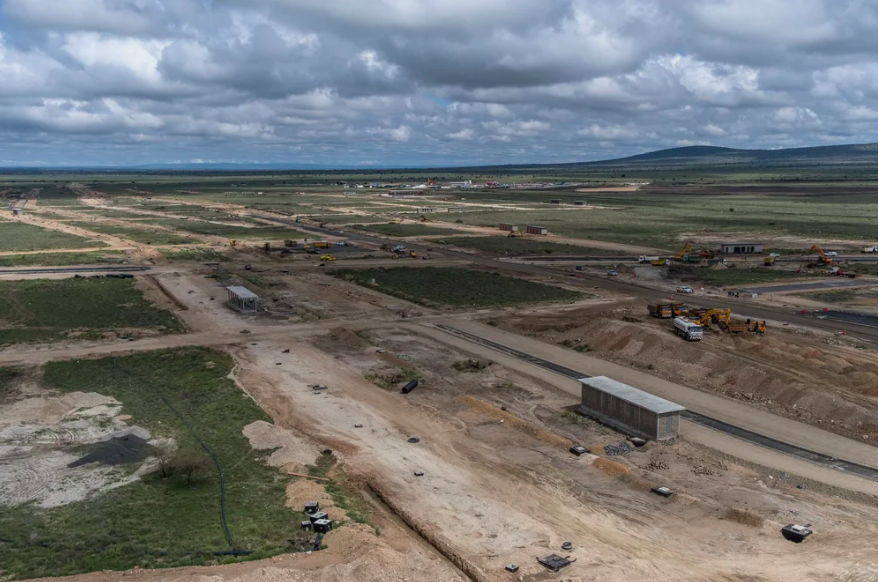
Konza Technopolis, located about 60 kilometers from Nairobi, was envisioned as a flagship smart city. The land allocated for the project was largely rural, with many parcels previously used for agriculture. While some landowners sold voluntarily, reports and discussions over the years have highlighted tensions around land values, expectations of rising prices, and the transition from farming to urban development (Konza Technopolis Development Authority, 2023).
For some families, the shift meant selling ancestral land that had supported generations. For others, it brought uncertainty about how to adapt to a new economic environment where farming was no longer an option.
Tatu City, another major development near Nairobi, has faced its own set of debates. While marketed as a modern mixed-use city with schools, homes, and business parks, discussions have emerged around the impact on surrounding communities, particularly informal traders and workers who previously relied on nearby economic activity.
As planned cities grow, surrounding areas often change rapidly. New infrastructure and rising land values can disrupt informal economies that depend on access, affordability, and proximity to customers.
These case studies highlight a recurring pattern: development brings opportunity, but not everyone is positioned to benefit equally.
Compensation vs. Reality: When Promises Fall Short
In most large-scale development projects, compensation is presented as a fair solution. Landowners may receive payments, relocation support, or promises of future opportunities. On paper, these measures are designed to protect affected communities.
But the reality can be more complicated.
Compensation payments are often one-time sums. While they may seem substantial at first, they can quickly be depleted, especially if recipients lack financial planning support or alternative income sources. For farmers who once relied on steady harvests, a single payout cannot replace years of future production.
Relocation also comes with challenges. Moving to new areas can mean:
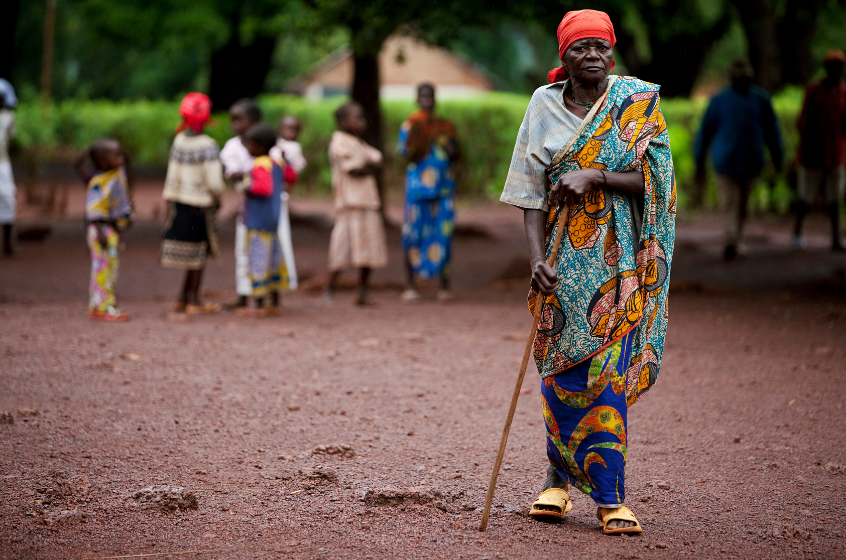
• Loss of access to fertile land
• Disruption of social networks
• Increased cost of living
• Distance from markets and services
In some cases, people are relocated to areas where employment opportunities are limited, making it harder to rebuild their livelihoods (Land Portal, 2021).
Even where compensation is considered adequate, the emotional and cultural cost of leaving ancestral land is difficult to measure. For most Africans, land is not just an economic asset; it is tied to identity, heritage, and belonging.
Human Stories: The Invisible Side of Development
Behind policy documents and investment reports are real people navigating uncertain transitions.
In various discussions around large development projects across Africa, smallholder farmers have expressed fear about losing land that has been in their families for decades. Informal traders have spoken about losing customers after being pushed away from busy roadside locations. Young people from affected communities sometimes hope for jobs in the new cities, only to find that the available roles require skills they do not yet have.
Urban researchers note that development-induced displacement often affects those who are already economically vulnerable, increasing their risk of poverty if support systems are weak (Cernea, 2000; World Bank, 2020).
These human stories are often underreported, overshadowed by narratives of progress and innovation. Yet they form a crucial part of the tech city story; a reminder that growth can have unintended consequences.
Conclusion: Progress at What Cost?
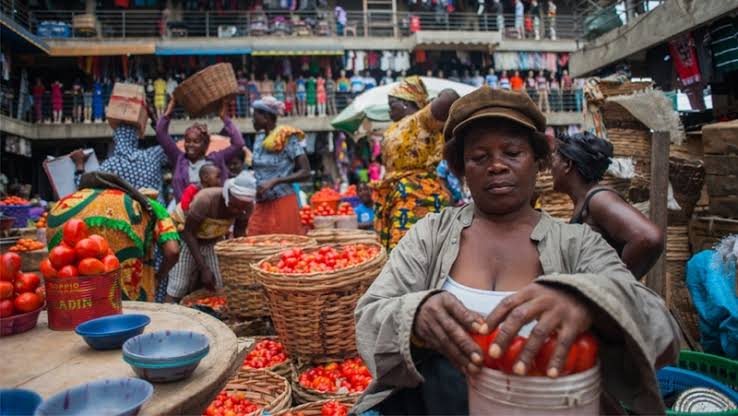
Tech cities represent ambition, modernization, and a vision for Africa’s digital future. But as land is transformed and communities are reshaped, it becomes clear that progress can come with difficult trade-offs. The people who lose land are often those who depend on it most. Compensation may soften the transition, but it does not always replace lost livelihoods, social ties, and long-standing ways of life.
This does not mean development should stop. Rather, it raises a deeper question: how can growth be pursued in ways that protect the dignity, security, and economic stability of the people most affected?
In the next article, we explore another layer of impact; how tech cities can drive rising land prices, housing costs, and gradually push ordinary citizens further to the margins of the very cities built in the name of progress.
References
Cernea, M. (2000). Risks, Safeguards and Reconstruction: A Model for Population Displacement and Resettlement. World Bank.
Konza Technopolis Development Authority. (2023). Project Reports and Development Updates.
Land Portal. (2021). Land Governance and Development-Induced Displacement in Africa.
UN-Habitat. (2022). Land and Urban Development in Africa: Governance and Inclusion.
World Bank. (2020). Cities and Economic Development in Africa: Building Competitive and Inclusive Urban Economies.