Wayne Lumbasi

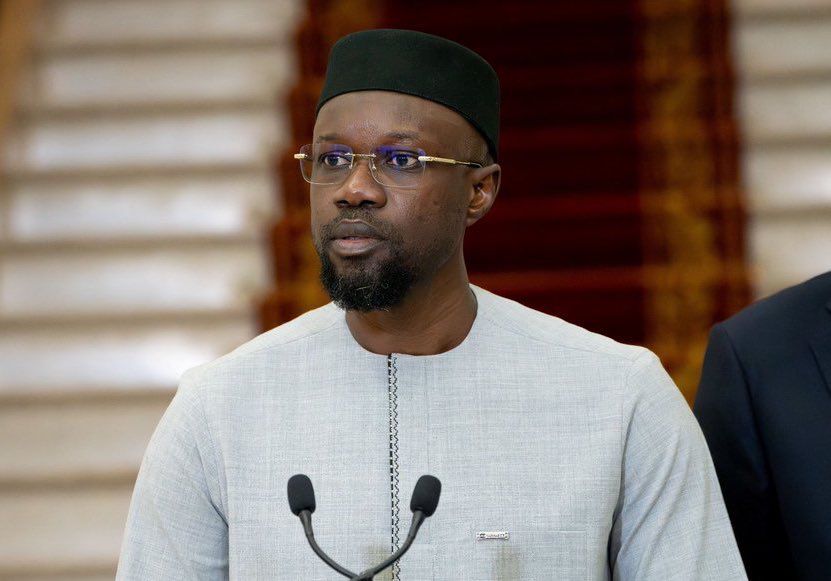
Senegal is moving to strengthen its laws on same-sex relations after Prime Minister Ousmane Sonko backed a draft bill that would significantly increase prison sentences and expand existing criminal provisions.
The proposed legislation, approved by the Council of Ministers, is set to be tabled before the National Assembly of Senegal, where lawmakers will debate amendments to the country’s penal code. The bill seeks to raise the maximum prison term for same-sex acts from five years to up to ten years and introduce higher fines, while broadening the legal definitions used in prosecutions under current morality laws.

Same-sex relations are already criminalised in Senegal under Article 319 of the penal code, which prescribes prison sentences and financial penalties for what the law describes as “unnatural acts.” The new proposal does not create a new offence but instead tightens penalties and expands enforcement within the existing legal frameworks.

Government officials have presented the measure as part of a broader effort to reinforce national legal standards and reflect prevailing social norms. In recent remarks, Sonko called on lawmakers across the political spectrum to support the bill, framing it as a matter of national sovereignty and cultural values amid growing public debate on LGBT issues.

The legislative push comes during a period of heightened public attention surrounding morality laws and their enforcement. Recent arrests linked to alleged same-sex conduct have intensified domestic discussions and placed renewed focus on how existing provisions are applied by authorities.
Human rights organisations have raised concerns that tougher penalties could lead to increased arrests and deepen stigma against LGBT individuals, warning that expanded legal definitions may further marginalise vulnerable communities.

If approved by parliament, the amendment would mark a significant tightening of Senegal’s already restrictive legal stance on homosexuality and place the country at the centre of ongoing regional discussions over social policy, legal frameworks, and national legislative direction.
Several African countries have also introduced similar sanctions against the LGBT community. In September last year, Burkina Faso’s transitional parliament approved a bill banning homosexual acts, while its neighbour Mali also adopted legislation criminalising homosexuality in 2024.
In 2023, Uganda voted in some of the world’s harshest anti-homosexual legislation meaning that anybody engaging in certain same-sex acts can be sentenced to death.
RELATED: