Wayne Lumbasi

The United States has imposed sanctions on three senior commanders of Sudan’s Rapid Support Forces (RSF), citing their roles in widespread atrocities during the ongoing civil war. The move, announced on February 19, reflects growing concern over human rights abuses in Sudan and the effort to hold armed leaders accountable.
The sanctioned commanders are Brigadier General ElfatehAbdullah Idris Adam (also known as Abu Lulu), Major General Gedo Hamdan Ahmed Mohamed (known as Abu Shok), and field commander Tijani Ibrahim Moussa Mohamed (also known as Al Zeir Salem). According to the U.S. Department of the Treasury’s Office of Foreign Assets Control (OFAC), they were involved in orchestrating the RSF’s 18 month siege and eventual capture of alFashir, the capital of North Darfur, during which civilians endured killings, torture, sexual violence, and starvation.

The Treasury Department said the sanctions include freezing any property or financial interests the commanders may have under U.S. jurisdiction and prohibit U.S. persons from transacting with them. Officials emphasized that the measures are designed to exert diplomatic and economic pressure on the RSF, encourage adherence to humanitarian ceasefires, and signal that atrocities against civilians will not go unpunished.


International observers have highlighted the extreme brutality of RSF operations. A UN factfinding mission concluded that the assault on alFashir displayed “hallmarks of genocide,” citing systematic targeting of non-Arab ethnic groups, including the Zaghawa and Fur, mass executions, sexual violence, and the destruction of civilian infrastructure. These findings reflect the RSF’s repeated pattern of violence that has destabilized Sudan’s Darfur region.

Sudan’s civil war erupted in April 2023 when tensions between the RSF and the Sudanese Armed Forces escalated into full-scale conflict. The fighting has displaced millions, caused tens of thousands of deaths, and created one of the world’s most severe humanitarian crises. Cities like alFashir have been left in ruins, with residents struggling to access food, water, and medical care.
The sanctions follow similar measures by the United Kingdom and European Union, highlighting a coordinated international effort to pressure Sudanese paramilitary leaders to halt abuses and engage in peace negotiations. While past sanctions have had limited direct impact on field operations, they carry significant symbolic weight and reinforce accountability for individuals responsible for war crimes.

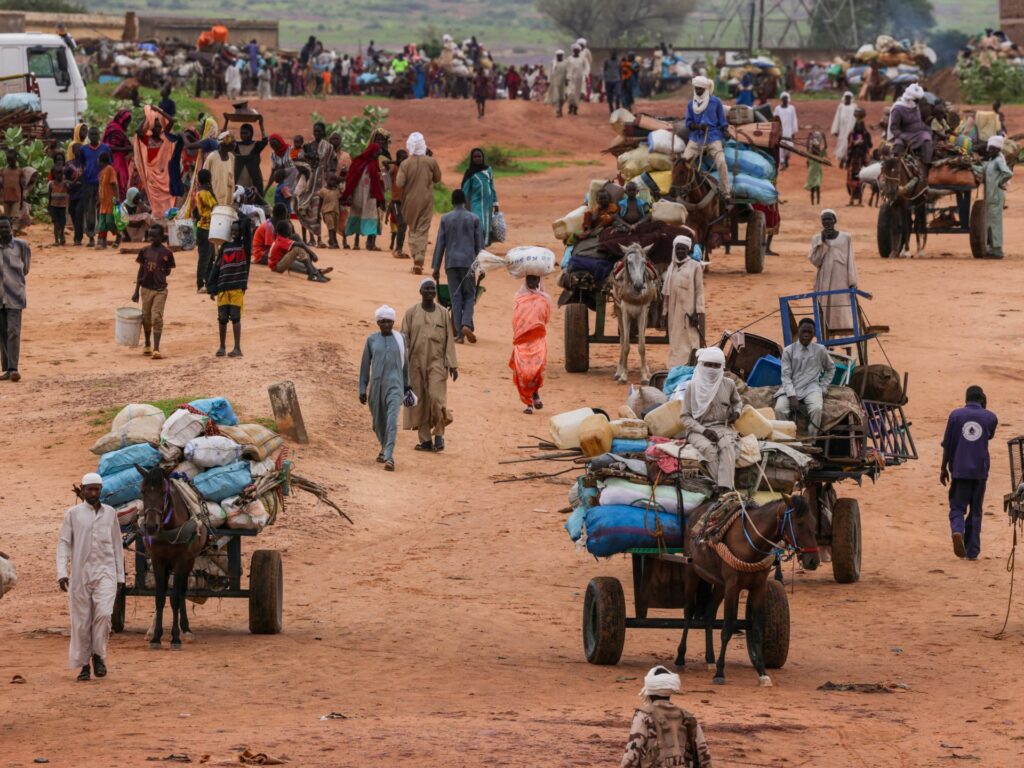
By targeting these RSF commanders, the United States signals determination to confront human rights violations in Sudan, encourage humanitarian relief, and support international justice. Officials warn that failure to address the RSF’s actions could further destabilize the region and prolong suffering for civilians caught in the conflict.
RELATED: