Wayne Lumbasi

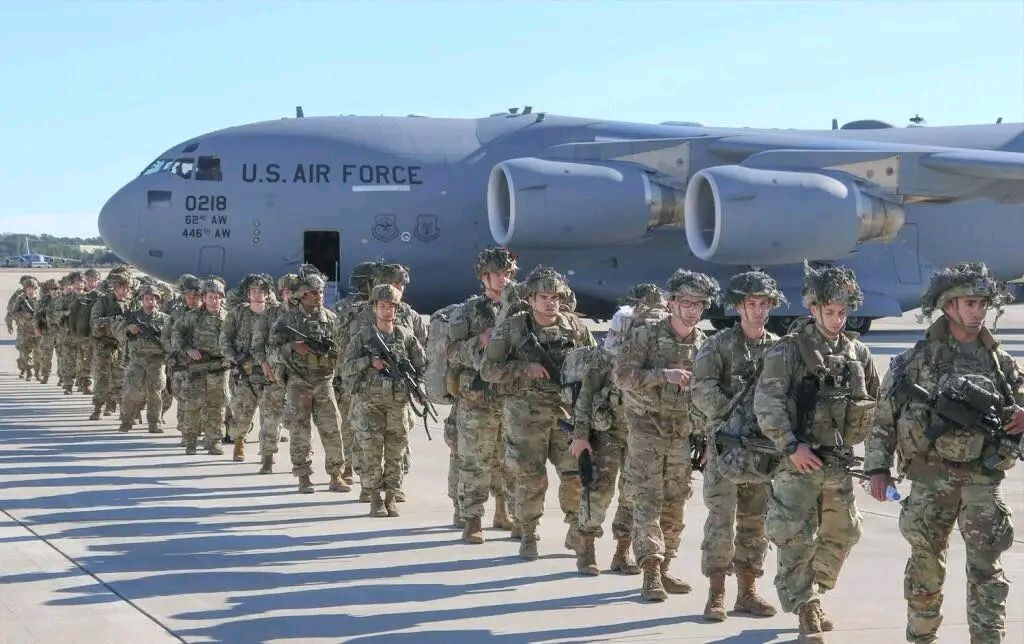
The United States will deploy about 200 troops to Nigeria to train and support the country’s armed forces as they confront escalating attacks by Islamist militant groups, in a move that signals a deeper security partnership between the two nations.
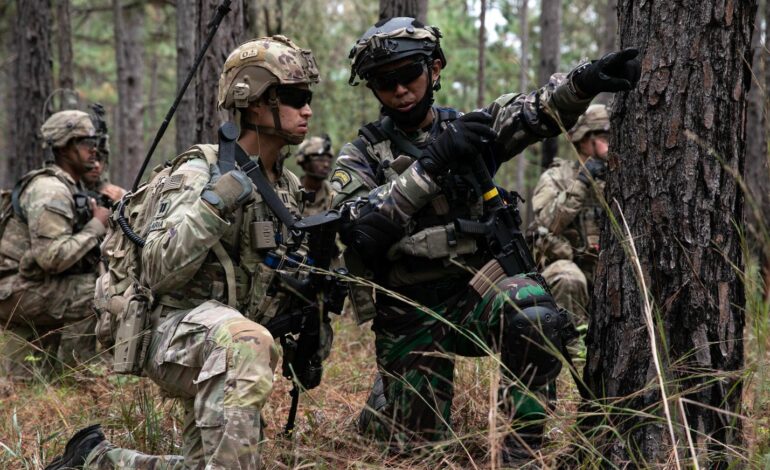
The deployment, expected in the coming weeks, will reinforce a smaller American military presence already operating in Nigeria. The U.S. personnel will focus strictly on advisory and training roles, assisting Nigerian forces with operational planning, intelligence coordination, surveillance integration and the use of advanced military equipment. They are not expected to participate directly in combat missions.

The decision comes as Nigeria faces sustained pressure from Boko Haram and the Islamic State West Africa Province, groups that have intensified attacks on military positions, rural communities and key infrastructure. Insurgents have increasingly carried out coordinated ambushes and roadside bombings while exploiting remote terrain and porous borders to evade security operations.

Security cooperation between the two countries has expanded in recent months, including intelligence sharing, aerial surveillance support and coordinated counterterrorism efforts. The arrival of additional U.S. troops is expected to enhance Nigeria’s capabilities in counter-insurgency tactics, drone operations, battlefield communications and logistical coordination.

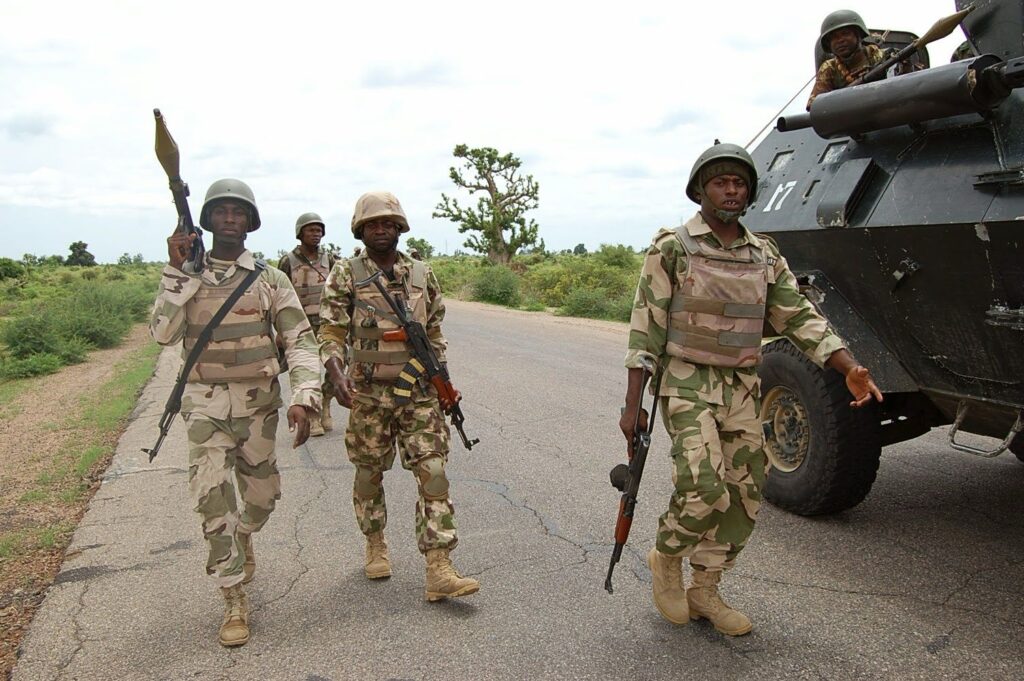
Nigeria’s military campaign has evolved as insurgent factions adapt their methods. While security forces have reclaimed territory in parts of the northeast, extremist groups have reorganized into smaller, mobile units capable of launching unpredictable attacks. Simultaneously, armed banditry and kidnapping networks in the northwest have placed additional strain on national security resources, creating multiple security fronts.
The expanded training mission reflects growing concern over instability in West Africa, where extremist networks have sought to expand influence amid shifting regional alliances and security transitions. Strengthening Nigeria’s military capacity is seen as critical to preventing the further spread of militant activity across the region.

For Nigeria, the partnership provides access to technical expertise and operational support at a time when the armed forces are pursuing modernization efforts and restructuring command systems. Enhanced coordination between air and ground units, improved intelligence gathering and strengthened rapid response mechanisms are expected to shape the next phase of operations.
RELATED: