Faith Nyasuguta

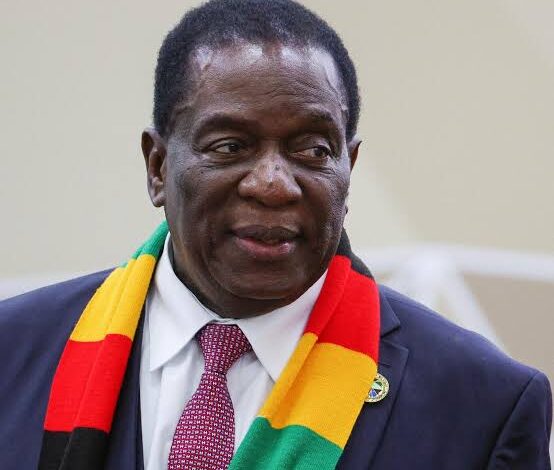
Zimbabwe’s cabinet has formally approved proposed constitutional amendments that would lengthen presidential terms and potentially allow President Emmerson Mnangagwa to remain in office until 2030, setting in motion a legislative process that could significantly reshape the country’s political framework. The changes include extending the current five-year presidential term to seven years and altering the method of selecting the head of state, with parliament playing a greater role.
The decision, announced after a cabinet meeting in Harare, marks the most concrete step yet in the ruling ZANU-PF party’s long-discussed “2030 agenda,” which seeks to prolong Mnangagwa’s leadership beyond the limits originally outlined in the 2013 constitution. That constitution introduced a two-term cap of five years each, a measure widely seen at the time as a safeguard against prolonged rule.

Justice Minister Ziyambi Ziyambi confirmed that the draft amendments will first undergo legal review by the attorney general before being published in the government gazette and tabled before parliament. From there, lawmakers will debate the proposals, which are expected to require broad parliamentary support to pass.

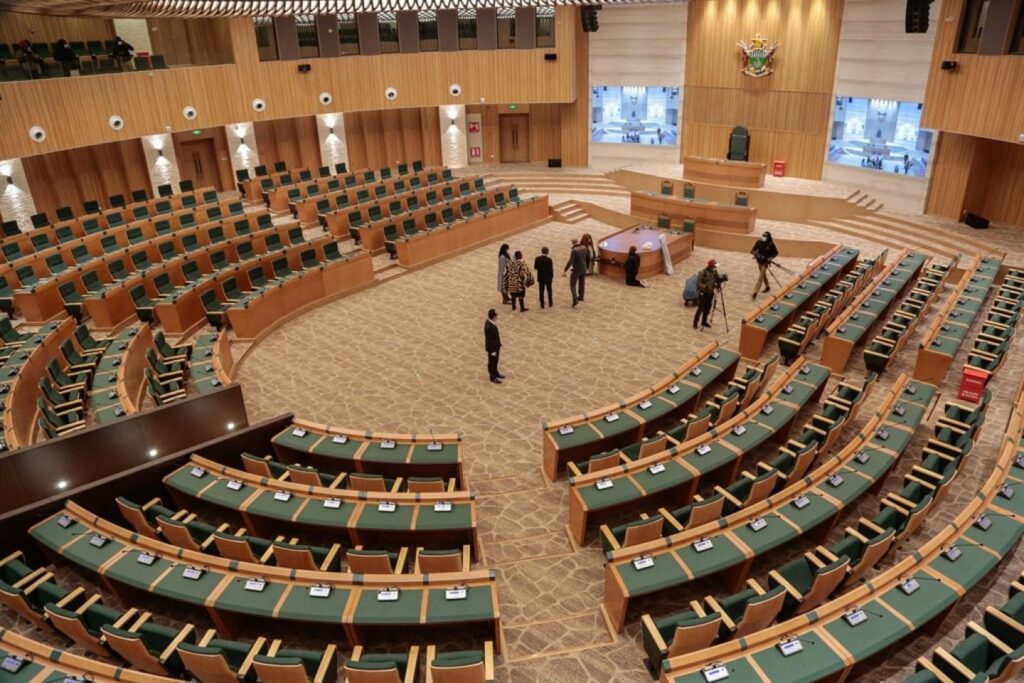
Among the most consequential provisions is a proposal to increase the presidential term from five to seven years. Another would give parliament, rather than the electorate, a decisive role in selecting the president. Supporters argue the changes could reduce political uncertainty and allow long-term development plans to be carried through without disruption.

Government officials say the reforms are designed to promote stability and policy continuity. In a post-cabinet statement, authorities described the amendments as necessary to ensure that national programmes are completed and governance remains steady over time.
However, the move has drawn swift criticism from opposition figures, legal experts and civil society groups, who warn that altering term limits without public approval could undermine democratic safeguards. Several analysts insist that any amendment with the effect of extending an incumbent president’s time in office should be subjected to a national referendum.

Opposition leaders argue that bypassing such a vote would weaken public trust and concentrate more power within the ruling party, which already holds a commanding majority in parliament. Critics also point to Zimbabwe’s history of contested elections and political repression, saying that further changes could narrow the space for democratic competition.
The debate comes against the backdrop of Mnangagwa’s rise to power in 2017, when longtime leader Robert Mugabe was removed in a military-backed transition. Mnangagwa subsequently won elections in 2018 and again in 2023, though both contests were marred by allegations of irregularities from the opposition.
Beyond the presidency, the proposed amendments would also expand the Senate by allowing the head of state to appoint additional lawmakers. Observers say this could further strengthen executive influence over the legislative branch.
In recent months, attempts by activists and opposition supporters to protest the proposed changes have reportedly been met with police intervention and arrests, adding to tensions surrounding the process. Rights groups have expressed concern about shrinking civic freedoms and the treatment of government critics.
Zimbabwe’s broader economic challenges add another layer to the debate. The country continues to grapple with high unemployment, currency instability and persistent inflation, problems that many citizens say demand urgent solutions rather than constitutional restructuring.
As the bill heads toward parliament, attention is likely to focus on whether the amendments proceed through a public referendum or are adopted solely through legislative channels. Either path is expected to shape Zimbabwe’s political landscape for years to come, with the outcome determining how long Mnangagwa could remain at the helm of the southern African nation.
RELATED: