Wayne Lumbasi

Mali has moved to tighten its grip on one of its most important economic sectors by creating a new state-owned company to manage the government’s interests in mining operations across the country.
The decision was approved during a recent meeting of the Council of Ministers, marking another step in Mali’s broader effort to increase state oversight and revenue from its vast mineral resources, particularly gold. The new company, Societede Patrimoine Minier du Mali, will be fully owned by the state and will serve as a holding entity for government stakes in mining ventures.

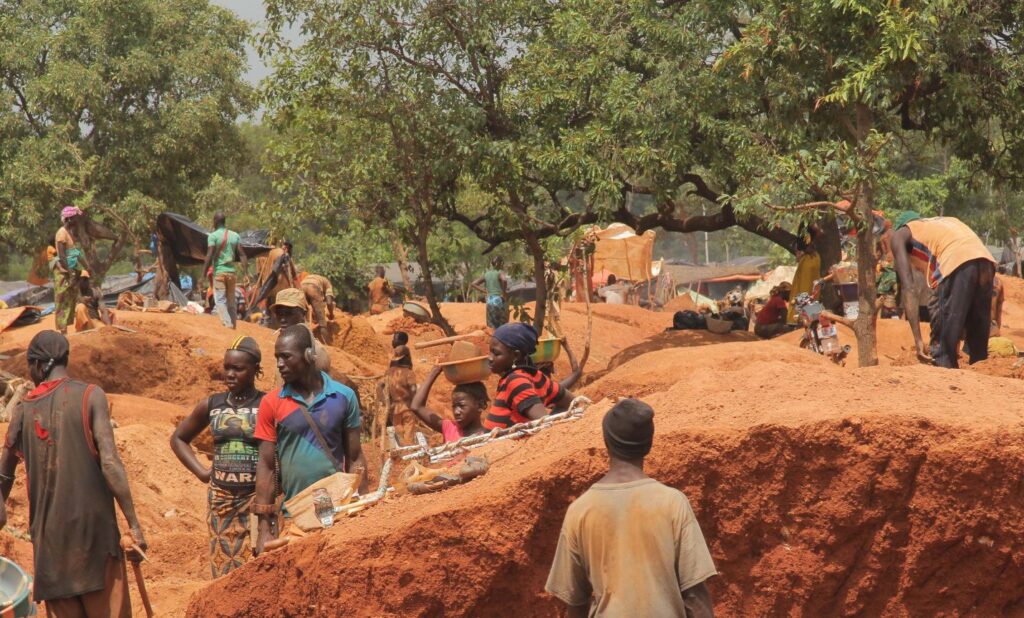
Rather than operating mines directly, the company will be responsible for acquiring, managing and safeguarding Mali’s equity interests in mining projects run by both domestic and international firms. By centralising these holdings under a single structure, authorities aim to improve governance, strengthen oversight and ensure the state derives greater financial benefit from the sector.

Mali is among Africa’s leading gold producers, with mining playing a critical role in public finances and export earnings. Several major foreign mining companies operate in the country, particularly in its western and southern regions. In recent years, the government has sought to rebalance relationships with mining firms, placing greater emphasis on national ownership and long-term economic returns.

The creation of the new company follows sweeping reforms introduced under Mali’s revised mining code, adopted in 2023. The legislation increased minimum state and local participation in mining projects, strengthened tax provisions and expanded the government’s right to acquire stakes in new developments. Officials say these measures have already led to a significant rise in mining revenues.
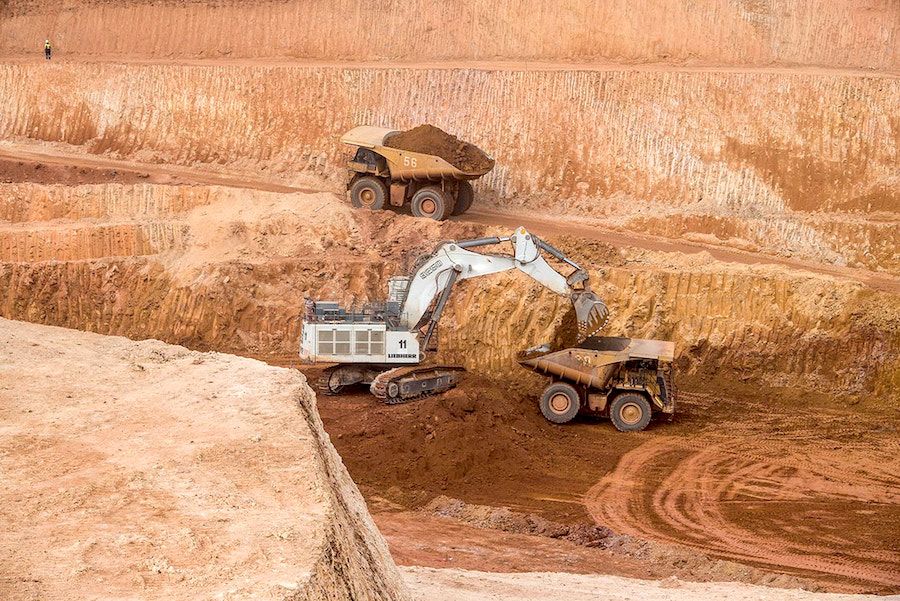
The new holding company will work alongside existing state mining entities, including a government-owned exploration firm established in 2022, which focuses on identifying and developing mineral resources. Together, the structures reflect a coordinated strategy to give the state a stronger and more organised presence across the mining value chain.

Mali’s approach mirrors a wider trend across West Africa, where governments are increasingly creating state vehicles to manage strategic assets in the extractive sector. Supporters of the move argue it enhances transparency and accountability, while also positioning the state as a more assertive partner in negotiations with mining companies.
As global demand for gold and other minerals remains strong, Mali’s latest reform showcases its intention to play a more central role in how its natural wealth is managed, aiming to translate mineral production into sustainable economic gains for the country.
RELATED: