Faith Nyasuguta

The United States is rewriting its playbook in West Africa, signaling a pragmatic turn toward security and strategic interests as three military-led governments deepen ties with Moscow and distance themselves from former partners in Europe.
In a notable change of tone, Washington has announced that Nick Checker, who leads the Bureau of African Affairs at the State Department, will travel to Bamako. His mission is to deliver what officials describe as a message of renewed respect and a fresh start. According to the department, the visit will convey the United States’ “respect for Mali’s sovereignty” and seek to chart a “new course” in relations, moving “past policy missteps”.

The outreach is not limited to Mali. The United States has also indicated that it hopes to cooperate with Burkina Faso and Niger, the two neighbors that, like Mali, are governed by juntas that seized power through coups. Washington says it wants to work with the trio “on shared security and economic interests”.

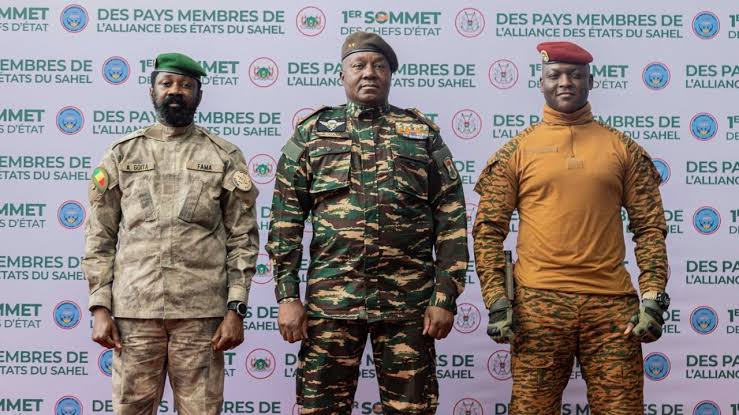
Conspicuously absent from this new language is the emphasis on democratic reforms and human rights that once shaped American engagement. Under the previous administration, military cooperation had been suspended after elected leaders were overthrown between 2020 and 2023. Niger’s former president, Mohamed Bazoum, remains confined to his residence.

Now, the focus has shifted. Since Donald Trump’s return to the White House, development assistance and governance benchmarks appear to have taken a back seat to counterterrorism and access to resources. The rapid closure of USAID operations early in the new term showcased that pivot, followed by repeated signals that Washington would prioritize hard security and economic leverage over nation-building.
In the Sahel’s capitals, the new approach is likely to land well. Leaders there have built political support by rejecting France, the former colonial power, and by embracing rhetoric centered on sovereignty and self-reliance. In Burkina Faso, Captain Ibrahim Traore has fashioned himself as a symbol of resistance to foreign influence, a message amplified through social media that resonates strongly with young audiences.

Trump’s team has made it clear that it will not press these governments on their political systems. Massad Boulos, a senior adviser for Africa at the state department and a Trump confidant, last year told the French newspaper Le Monde: “Democracy is always appreciated, but our policy is not to interfere in the internal affairs of other countries. People are free to choose whatever system is appropriate for them.”
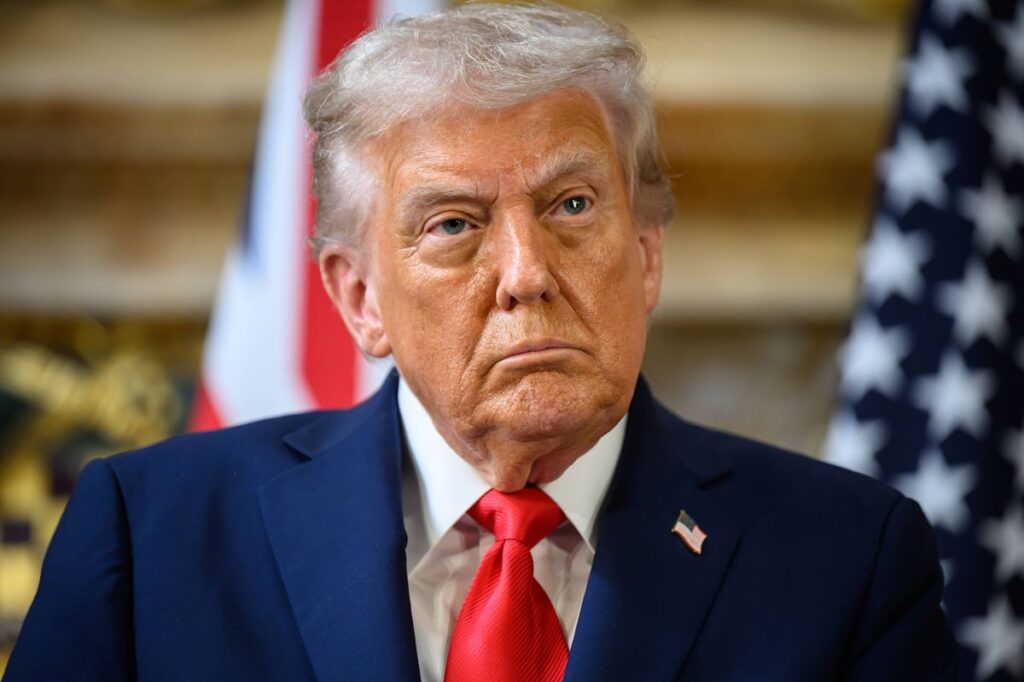
That stance represents a break from earlier thinking. During the previous administration, US Africa Command routinely tied security assistance to governance standards and environmental stability. But the calculus has changed. Fighting armed groups has become the overriding priority.
American officials warn that the Sahel has emerged as one of the world’s most dangerous theaters. Large swathes of Mali, Burkina Faso and Niger are contested by jihadist factions linked to al-Qaeda and Islamic State. Some estimates suggest the region now accounts for a significant share of global terrorism-related deaths.
The fear in Washington is that weak state control could allow militant groups to carve out durable safe havens, posing broader international risks. Attacks have grown bolder, including recent strikes near Niger’s capital, Niamey, underscoring how fragile the situation remains.
There are also economic considerations. The Sahel is rich in gold and other minerals. Mali produces lithium, a key component in batteries, while Niger holds substantial uranium reserves vital to the energy sector. Securing these supply chains has become a strategic concern.
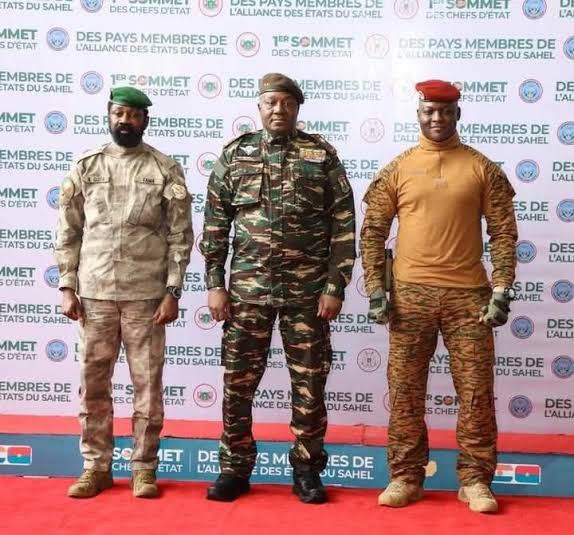
At the same time, Russia has moved quickly to fill the vacuum left by departing Western forces. Security contractors and advisers have deployed across the three countries, offering training and protection. Washington appears reluctant to let Moscow become the sole external partner.
Rather than returning large numbers of troops, however, the United States is opting for a lighter footprint. Intelligence sharing, training missions and possibly equipment transfers are on the table. Large installations, such as the drone base once operated in Agadez, are not expected to reopen.
The result is a more transactional relationship: fewer lectures on politics, more cooperation on security.
Whether this narrower strategy can bring lasting stability is uncertain. France’s decade-long military campaign showed that firepower alone cannot solve deep-rooted grievances tied to poverty, governance and exclusion. For now, though, Washington seems prepared to try a different formula – one driven less by ideals and more by immediate interests.
RELATED: