Faith Nyasuguta
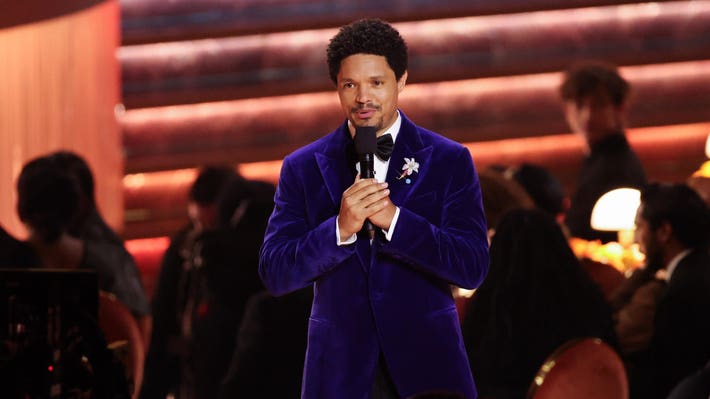
The aftermath of the 2026 Grammy Awards didn’t just spotlight music’s biggest night – it also set off a political firestorm after President Donald Trump publicly threatened to sue host Trevor Noah over a joke he made during the broadcast. The controversy has dominated headlines and sparked global debate about comedy, defamation and free speech.
At the heart of the dispute was a comment Noah made while presenting the Song of the Year award. After congratulating Billie Eilish on her win, Noah quipped that the award was almost as coveted “as Trump wants Greenland,” then added: “Which makes sense because, since Epstein’s gone, he needs a new island to hang out with Bill Clinton.”

The reference alluded to Jeffrey Epstein’s private island, a controversial subject tied to long‑running media attention and speculation about powerful figures associated with Epstein. Trump has strongly denied ever being to the island or having such ties and called Noah’s remark “incorrect” and “false and defamatory.”

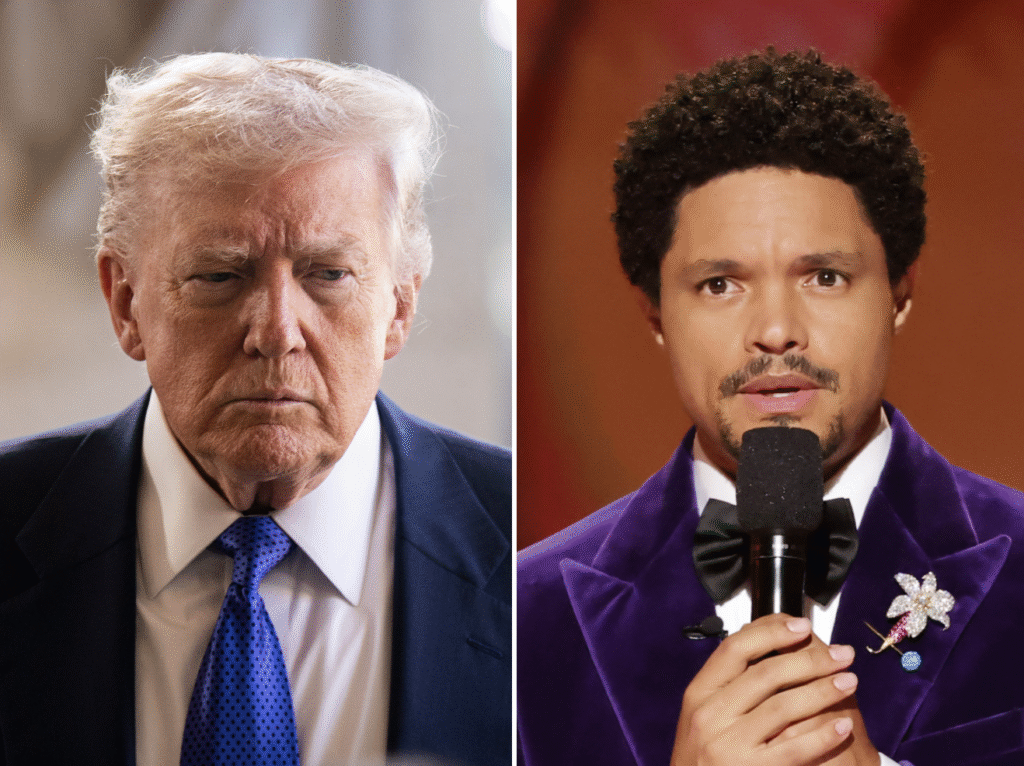
In a lengthy post on his social media platform, Truth Social, Trump didn’t pull punches. He dismissed the Grammy Awards as “virtually unwatchable” and called Noah “a total loser” and “talentless.” Most significantly, he said he would be “sending my lawyers to sue this poor, pathetic, talentless dope of an M.C.” and that he planned to pursue legal action “for plenty$.”

Trump’s remarks were intense and personalised, as he warned Noah to “get his facts straight, and get them straight fast,” and even invoked lawsuits he said he had successfully pursued in the past against media organisations. Trump also criticised broadcaster CBS in his post.
The legal threat marks one of the more dramatic public reactions Trump has made to media or entertainment figures in recent years. While no formal lawsuit had been filed at the time of reporting, the president’s statements made clear his intent to pursue legal action if the comments weren’t retracted.

The exchange has reverberated across US media and social platforms, with many commentators saying Trump’s threatened lawsuit showcases how seriously he takes his public image. Others argue that satirical commentary at entertainment events has long been part of American cultural tradition, where comedians routinely joke about political figures without facing legal consequences.
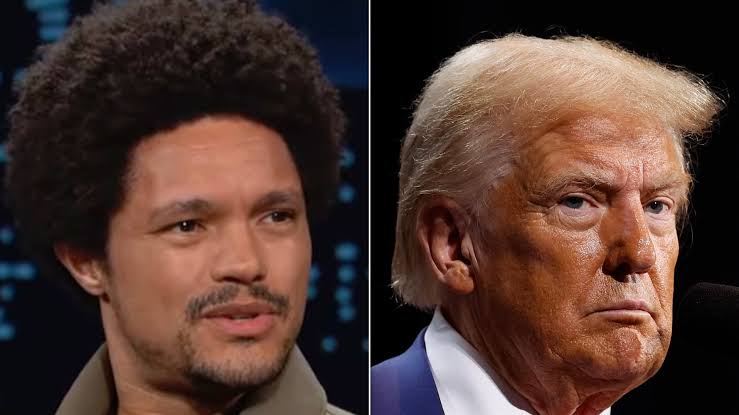
Meanwhile, fans and critics of both men weighed in online, debating whether Trump can genuinely pursue a defamation case over a comedic remark made in a televised awards show. Some legal experts have suggested that for a defamation lawsuit to succeed, the plaintiff would need to show that the statement was both false and damaging – a high bar in the context of performance comedy and satire.
Analysts also note that this isn’t the first time Trump has threatened legal action over critical or mocking commentary. His public persona has frequently included combative responses to journalists, entertainers and opponents alike. In this case, the Grammy controversy amplifies those patterns in a high-profile entertainment setting.
Noah’s full response to Trump’s threat had not been publicly released at the time of reporting, and representatives for the comedian and the Grammy organisers did not immediately comment on Trump’s statements.
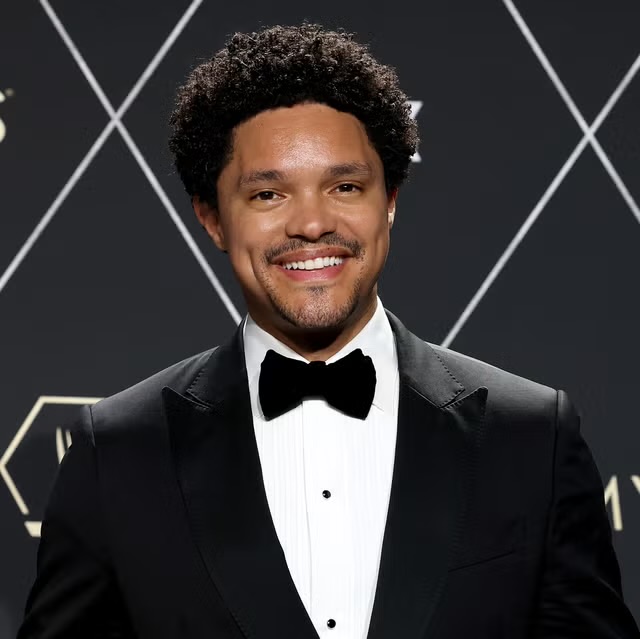
As the situation develops, it raises questions about the boundaries between satire and defamation, the role of comedians in political discourse, and the legal limits of public criticism in entertainment contexts. Whether Trump follows through with an actual lawsuit against Noah remains to be seen, but his forceful reaction has already made the incident one of the most talked‑about moments to emerge from the 2026 Grammy Awards.
RELATED: