Faith Nyasuguta

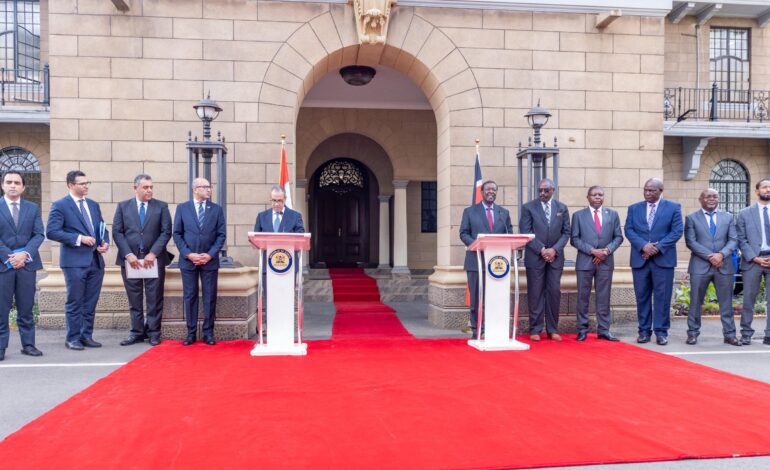
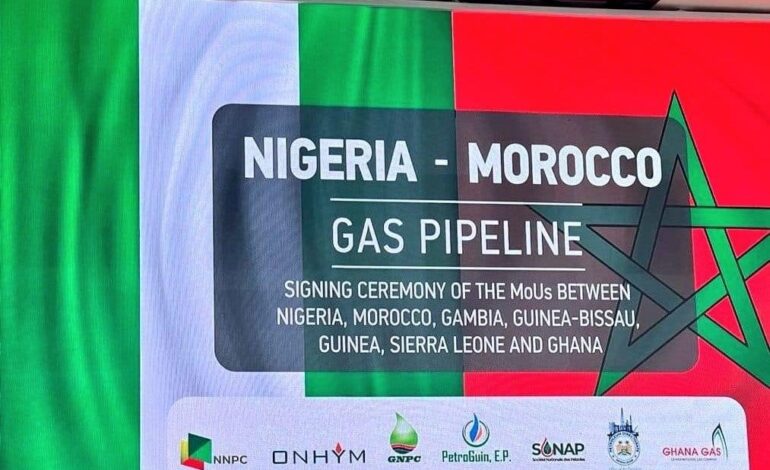
The long-anticipated Nigeria-Morocco Gas Pipeline project is gaining renewed momentum as both countries push forward with structural and technical groundwork on what could become one of Africa’s largest energy corridors.
Originally announced in 2016, the transcontinental pipeline is designed to transport natural gas from Nigeria’s vast reserves across West Africa to Morocco, creating a strategic energy link along the Atlantic coastline. Recent updates indicate that feasibility and front-end engineering studies have been completed, and a joint project company has been established to coordinate implementation, financing and construction phases.

Estimated to cost around $25 billion, the pipeline is expected to span more than 4,000 kilometres – with some projections placing it even longer depending on final routing. It will pass through multiple West African nations, including Benin, Togo, Ghana, Cote d’Ivoire, Liberia, Sierra Leone, Guinea, Guinea-Bissau, The Gambia, Senegal and Mauritania, before reaching Morocco. There are also plans to extend supply connections to landlocked Sahel countries.

Once operational, the pipeline is projected to transport between 15 and 30 billion cubic metres of natural gas annually. That volume – equivalent to roughly 0.8 to 1.7 billion cubic feet per day – could significantly expand electricity generation capacity, power industrial growth and provide cleaner energy alternatives for millions of households.

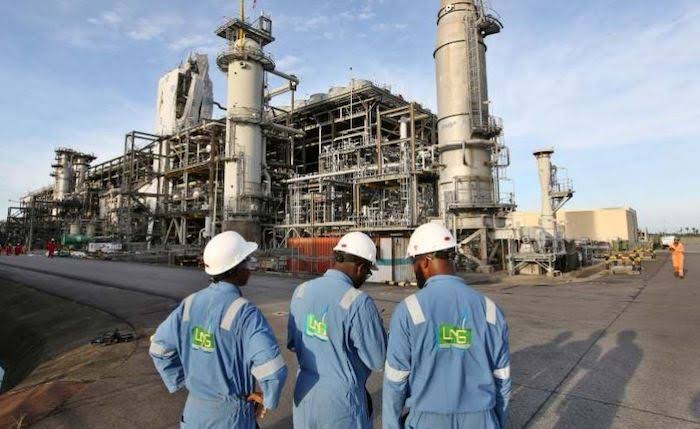
For Nigeria, Africa’s largest proven gas reserve holder, the project offers an opportunity to monetise its abundant natural gas resources beyond traditional export routes. For Morocco, which has been expanding its renewable and gas infrastructure, the pipeline strengthens its ambition to position itself as a regional energy hub connecting Africa to European markets.
The project also aligns with broader continental goals of energy integration and economic cooperation under regional frameworks. By linking multiple economies through shared infrastructure, the pipeline could stimulate cross-border trade, industrialisation and job creation across participating countries.

However, the scale of the project means construction will take years, potentially over a decade. Financing remains a critical component, with discussions involving multilateral institutions, regional development banks and private investors. A final investment decision is expected after financial structuring and regulatory alignments are concluded.
Energy analysts note that if successfully delivered, the pipeline could reduce reliance on expensive diesel generation across West Africa, stabilise electricity supply and lower energy costs for businesses. That, in turn, could improve competitiveness for manufacturing sectors that currently struggle with high operational expenses.
Still, challenges remain – including security concerns in parts of the Sahel, long construction timelines and global energy market volatility. But supporters argue that long-term infrastructure of this magnitude requires sustained political will and regional cooperation.
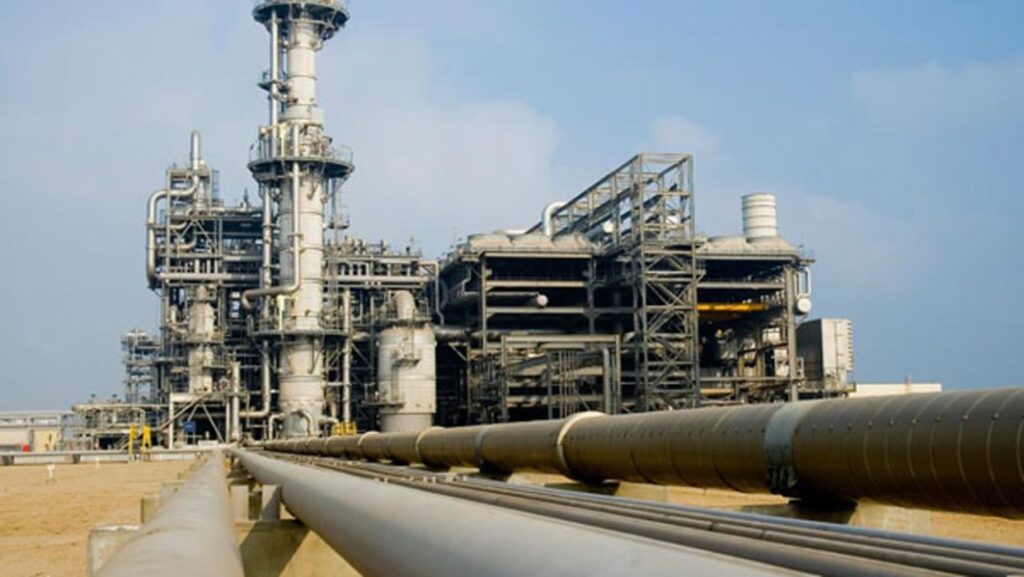
Nearly a decade after its announcement, the Nigeria-Morocco Gas Pipeline appears to be transitioning from ambition to structured execution. If realised, it could stand as one of Africa’s most significant energy integration projects – a bold attempt to convert natural resource wealth into shared continental growth.
RELATED: